
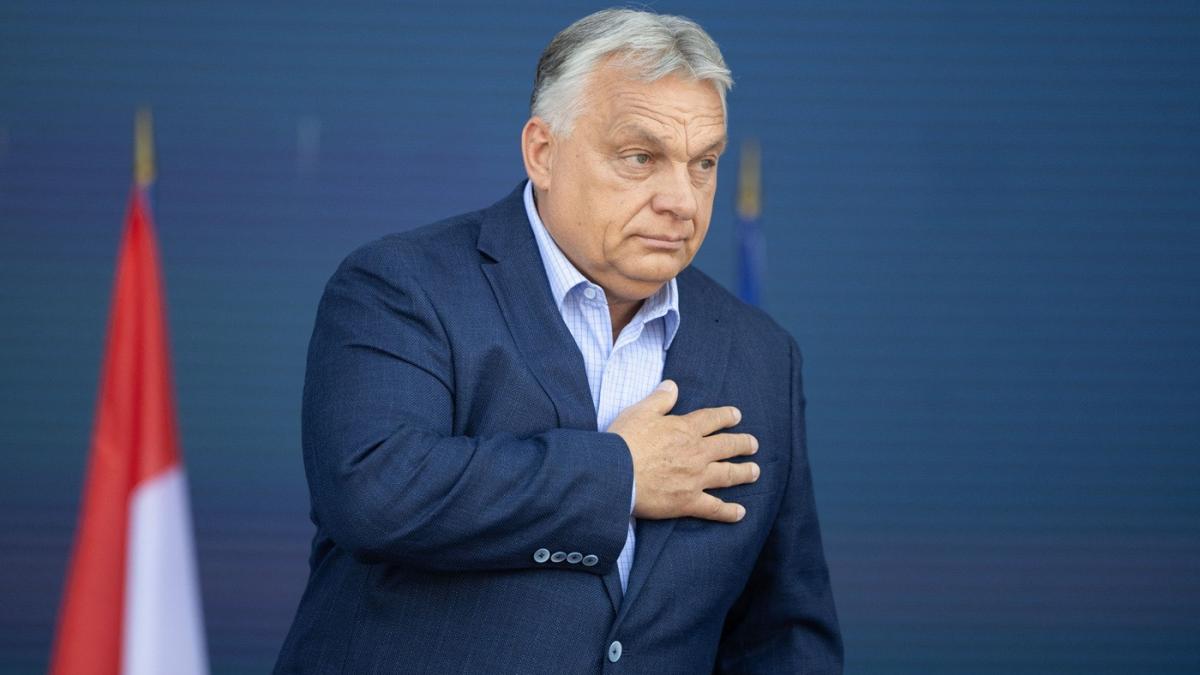
Hungary continues to buy Russian oil, despite the existence of alternative supply routes, according to an analysis conducted by the Center for the Study of Democracy (CSD). The report argues that the savings obtained by purchasing Russian crude oil at a reduced price are not reflected in the prices paid by consumers, but are transformed into profit for the country’s largest oil company.
The analysis, distributed in advance to CNN, shows that domestic fuel prices in Hungary were, in 2025, on average 18% higher than in neighboring Czech Republic, even though Budapest continues to import cheaper Russian oil, and Prague uses more costly non-Russian alternatives.
Growing profits for MOL
According to the research, the benefits of the discount applied to Russian oil would mainly be found in the balance sheets of the MOL Group, Hungary’s energy giant. Since Russia’s large-scale invasion of Ukraine in 2022, the company’s operating revenues would have increased by approximately 30%.
CSD argues that 30.49% of MOL is indirectly controlled by foundations associated with Prime Minister Viktor Orbán, which would allow additional profits to reach influential structures around the government. Among these entities is the Mathias Corvinus Collegium, an educational institution closely linked to the Hungarian executive.
The authors of the report state that “dependence on cheap Russian oil has not been passed on to consumers”, and the price difference would have fueled the profits of the dominant company in the market.
The Hungarian government and MOL have not publicly commented on the report’s conclusions.
Details, HERE