
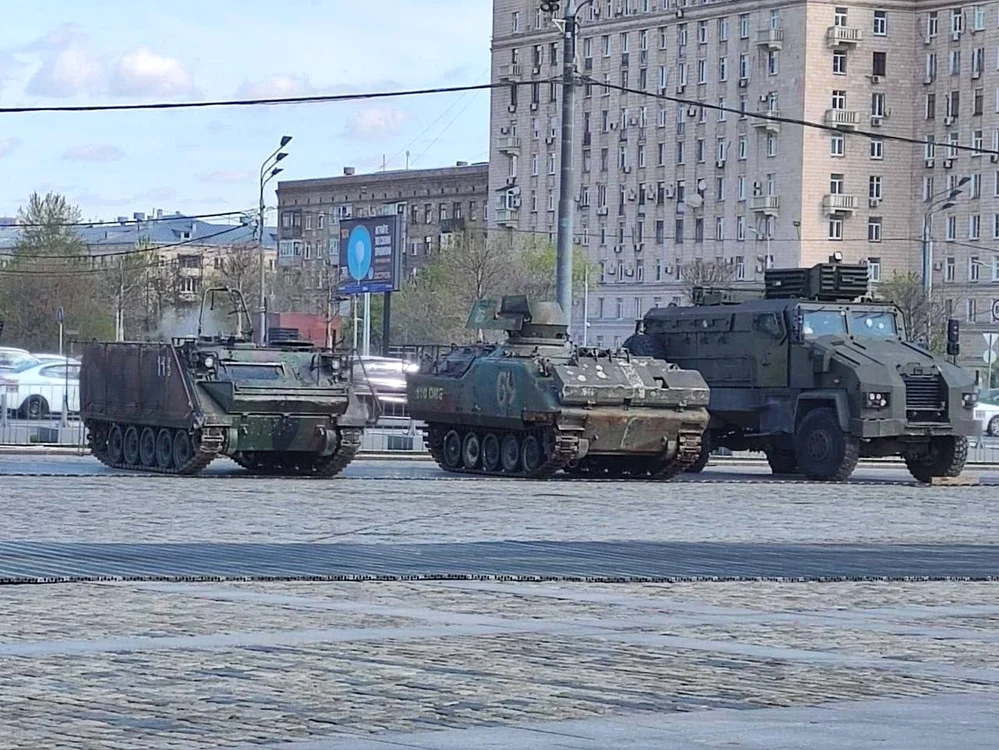
Anti-Putin sentiment is on the rise in Russia, after Kremlin authorities imposed internet restrictions and deployed armored vehicles in the center of Moscow. The measures, intended to control access to communications, have sparked dissatisfaction even among some Russians loyal to the regime, and experts warn that they could fuel protests both in society and on the front lines.
In Moscow, and throughout Russia, partial or total shutdowns of mobile and cable internet have become a political issue for the Kremlin. Even supporters of Vladimir Putin perceive these measures not as a temporary solution, but as a direct interference in their daily lives.
In the center of Moscow, armored vehicles, members of the National Guard and FSO officers with masks and weapons have been observed in public areas, which has increased the population’s suspicion.
Impact on daily life and economy
According to the British publication UnHerd, the banning of Telegram and the promotion of the government platform Max significantly affect the lives of Russians. For the residents of the capital, the restrictions are no longer just technical problems: online payments in stores are impossible, navigation apps do not work, taxi calls are blocked, and food delivery services have ceased.
Local businesses are suffering considerable losses: in the first five days of restrictions, companies reported estimated losses of about 63 million dollars.
Details, HERE