
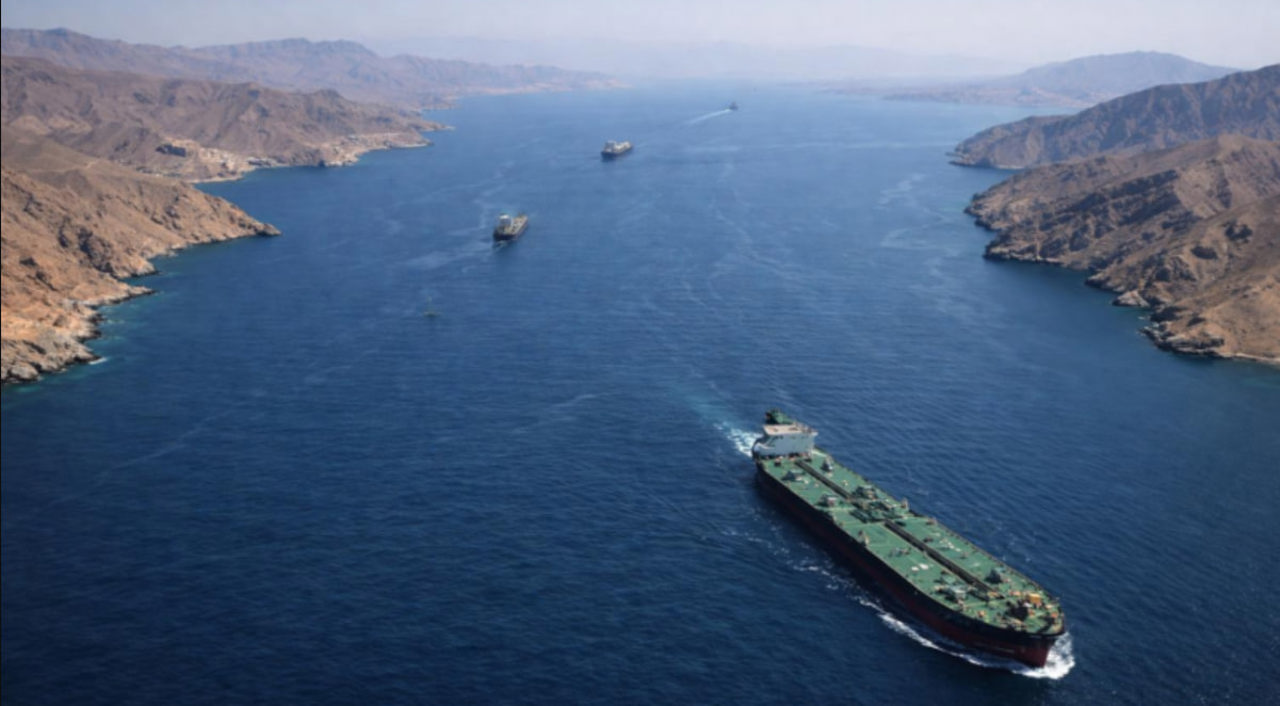
Iran is establishing a taxation barrier in the Strait of Hormuz, north of Larak Island. The authorities in Tehran are thus trying to financially benefit from the control they hold over the world’s most important artery for oil transportation.
Traffic through the strait has dropped by 90% since the outbreak of the war on February 28, after Iran targeted the ships trying to transit this route, causing one of the most severe energy supply shocks in recent decades, reports adevarul.ro. Certain ships are redirected through Iranian territorial waters near Larak Island, off the port city of Bandar Abbas, where the Islamic Revolutionary Guards and port authorities check each ship before allowing it to pass.
Almost all crossings recorded in the last three weeks have been made through the narrow channel north of Larak Island, close to the Iranian coast. Experts suggest that this could indicate the emergence of a “controlled corridor, based on permissions and with selective access“.
All the 57 crossings recorded since March 13, followed the route through Larak, forming queues on the island’s turn.
In the meantime, the Iranian Parliament has passed a bill to formalize the collection of taxes from ships transiting the strait. The measure could strengthen Tehran’s control over the oil transit area, but approval is also needed from other countries in the Strait of Hormuz region.
Although the measure is not yet officially approved, experts claim that at least two ships that have transited the strait have paid a fee to the Iranian authorities, the transactions being made in Chinese currency. According to Lloyd’s List Intelligence, ship operators first contact intermediaries associated with the Guardians of the Revolution and send them detailed documentation about the ship and its cargo.
Once entered into the waters of Iran, the crews transmitted to the military a code received earlier and are escorted through the area.