
In a comprehensive analysis, Financial Times revisits the World Bank’s report on commodity markets and shows that the new oil crisis demonstrates that the interconnected global economy is vulnerable to the actions of “unscrupulous actors”.
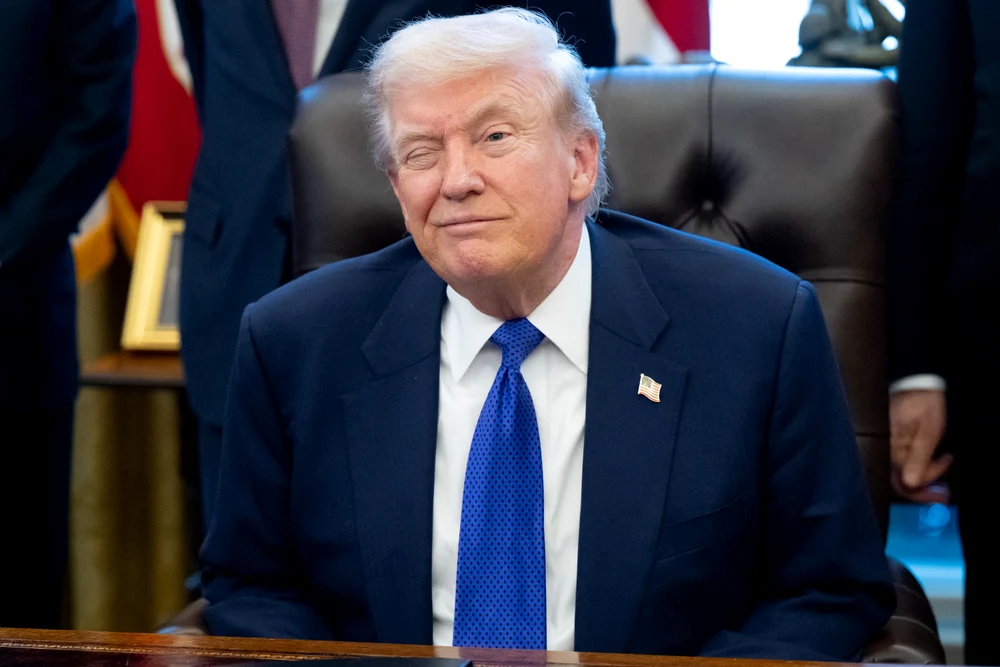
The prestigious financial publication reminds us that, in the past, these actors were people like Saddam Hussein or Vladimir Putin. Now, however, it is the President of the USA, Donald Trump, and the Prime Minister of Israel, Benjamin Netanyahu, who have caused the biggest oil shock in history, with the poorest people and the most vulnerable countries being the most affected.
As highlighted in the World Bank report, the initial impact of the strait’s closure was a global loss of over 10 million barrels of oil per day in March. The impact was much greater than that of the Iranian revolution of 1979, the Arab oil embargo of 1973, Saddam Hussein’s invasion of Kuwait in 1990, or the Iran-Iraq war of the 1980s.
The Americans have not only generated such a crisis situation, but they have come to be considered partners in whom no one can trust anymore.
“They have demonstrated this through their trade war and by casting doubt on their relationship with NATO allies. This is probably also true for its role as an energy provider” notes FT.
In this entire context, FT estimates that national banks will struggle to manage the consequences of the crisis, but emphasizes that it is very important for inflation not to get out of control. FT also highlights a positive aspect of this shock, namely that the energy crisis will force states to focus more on green energy and accelerate the transition towards it.
In the end, the Financial Times shows that, eventually, the global economy will adjust, but how quickly and how well depends on when the blockade on the Strait of Hormuz will end.
“The only good news is that Trump and the Iranians have solid reasons to end the conflict: their peoples, economies, and allies need this.”