
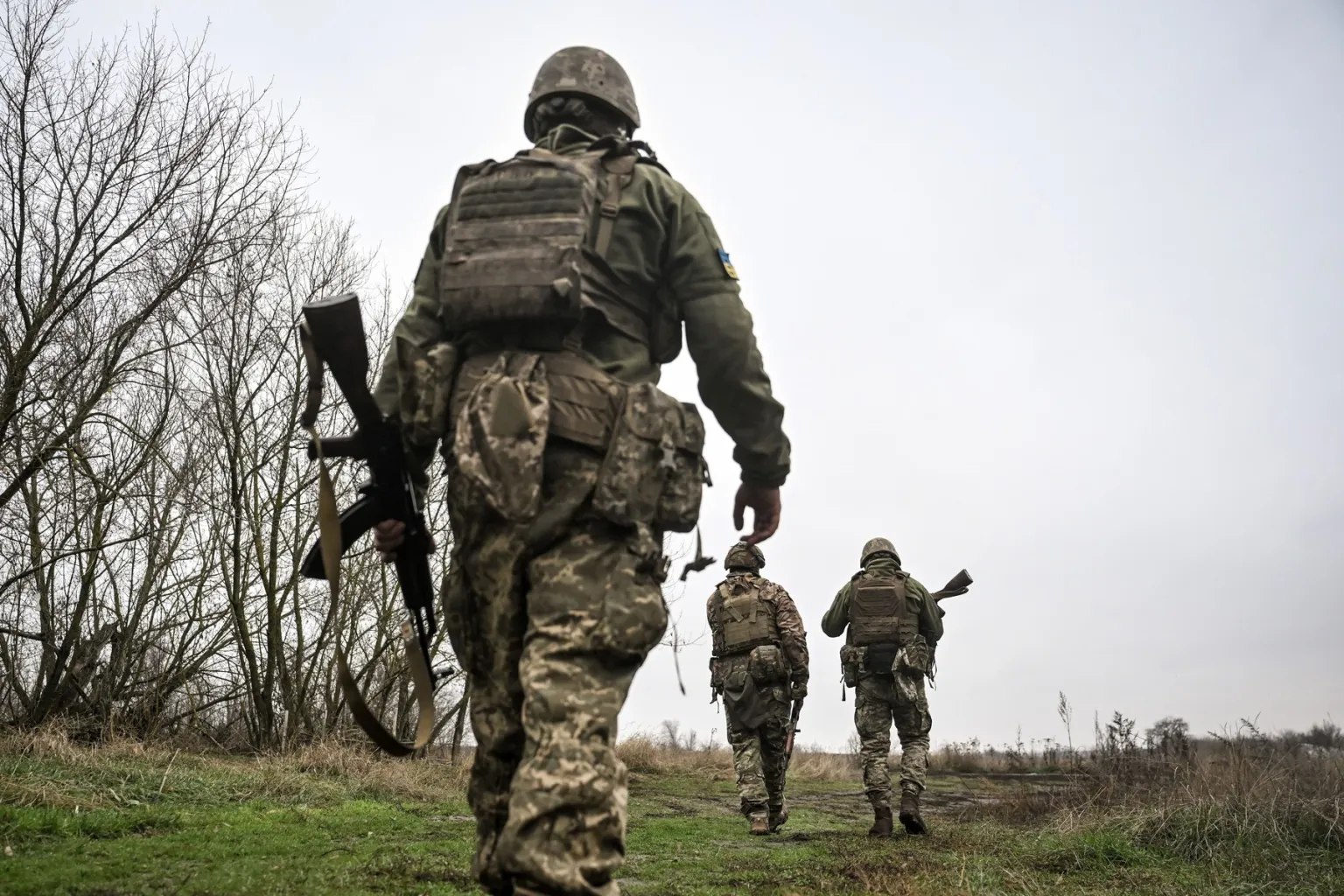
Since the beginning of the Ukrainian war, Vladimir Putin has repeatedly considered the fall of the Donbas region in eastern Ukraine to be inevitable and will happen sooner than Kiev thinks. However, the current situation on the front shows a completely different picture. A Ukrainian counteroffensive – operation “Vivaldi” – carried out over several months in the northern part of Donbas has hindered Russia’s efforts to encircle the cities in the region remaining under Ukrainian control, according to a New York Times analysis.
Furthermore, the pace of Russia’s territorial advance in Ukraine has significantly slowed down in 2026, compared to the already extremely slow pace recorded in 2025, according to an analysis by Black Bird Group, a Finnish think tank specializing in monitoring the evolution of the Ukrainian front from June 2023 to the present, as shown in a New York Times analysis.
Operation Vivaldi, as shown by George Barros, an analyst at the Institute for the Study of War (ISW) in Washington, demonstrated that maneuver warfare, executed with armored and mechanized units, is still possible, even in the current battlefield teeming with drones, if the operation is carefully planned.
But even under the conditions of a successful operation, such as “Vivaldi”, Ukraine needed months of preparation to reclaim a small part of the lost territory.
At the same time, for Putin, complete control of Russia over Donbas, gained either by force or through Ukrainian territorial concessions, remains an unchanging condition to end the war. Ukraine has so far rejected the Trump administration’s proposals to cede the territories that Russia failed to conquer on the battlefield.
Details, HERE