






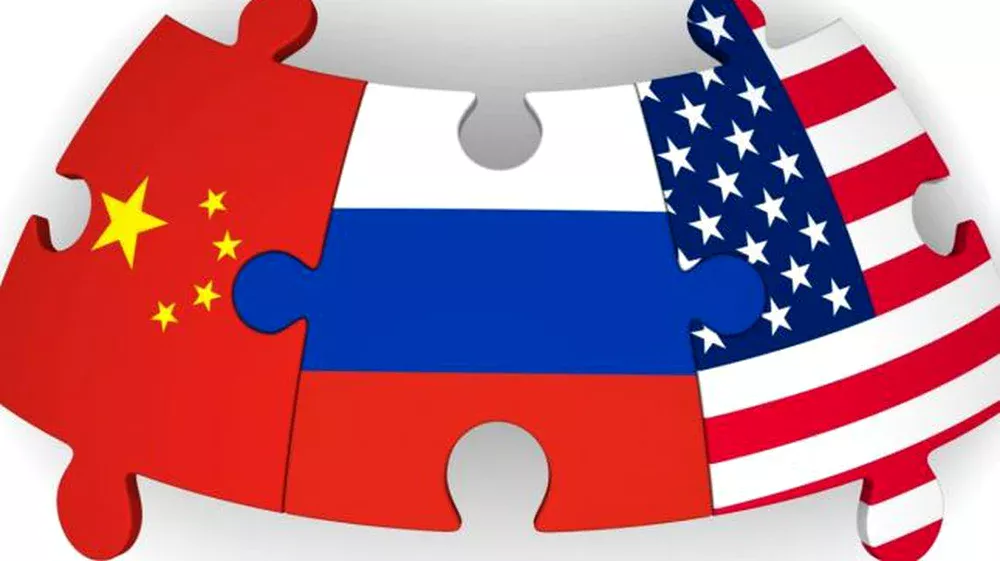
Analysts warn that the return of major powers to the logic of exclusive spheres of influence threatens global stability and undermines the international order built after World War II, reports Neue Zürcher Zeitung.
According to the Swiss publication, the world is undergoing one of the deepest transformations of its security architecture in recent decades. The liberal rule-based system, which has underpinned international relations for over 70 years, is in sharp decline. In its place, an old geopolitical conception is returning, centered on dividing the world into zones of domination by major powers — a model historically associated with violent conflicts.
“America First” and a new interpretation of the Monroe Doctrine
The administration of US President Donald Trump has openly signaled a change of direction in US foreign policy. In a recent defense strategy document, the rule-based international order is described as an illusory construction, marking a clear break from the positions held by previous American administrations, regardless of political orientation.
Washington is redefining its priorities around the protection of national territory and the Western hemisphere. President Trump has explicitly evoked an American sphere of influence that extends from the Arctic to South America, referring to the 19th-century Monroe Doctrine.
Critics, however, say this modernized version is much more assertive. References to Greenland, suggestions about Canada’s status, or pressures on Venezuela are presented as part of what some American officials unofficially call a new “Trump Doctrine”.
Power, before rules
Statements from high-ranking White House advisers, who have downplayed the importance of international law, indicate a return to a harsh vision of geopolitical realism, where power is considered the main arbiter of relations between states.
This approach helps to understand the positions expressed by some American officials that Ukraine would be in Russia’s sphere of influence and should take into account Moscow’s interests. In this conceptual framework, opposition to a major power is not seen as a sovereign right, but as a factor of instability.
Read more HERE


