






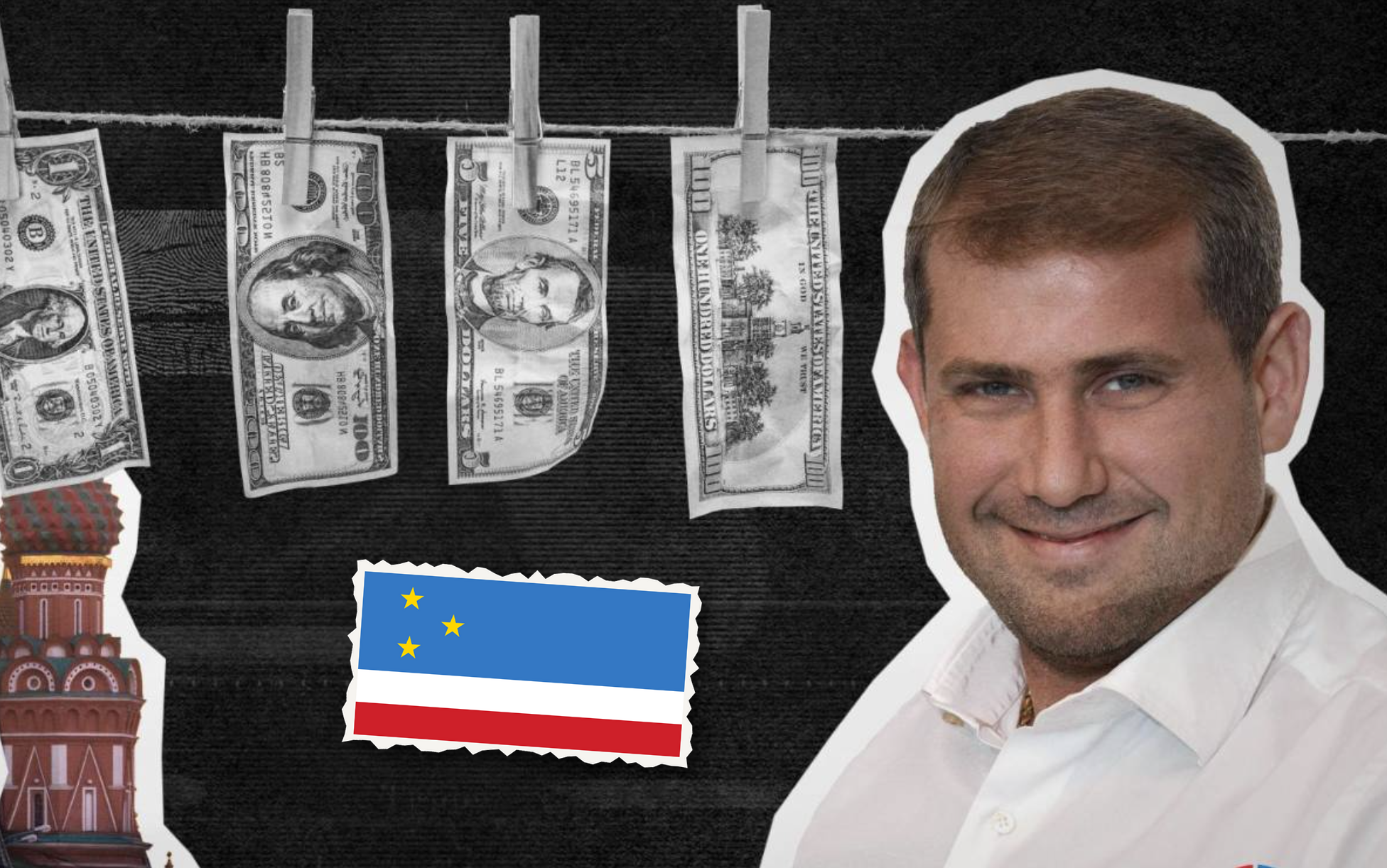
According to sources cited by disinfo.md, the National Anti-Corruption Centre (NAC) has reportedly launched an inquiry into the resurgence of Ilan Shor’s former network ahead of elections to the People’s Assembly of Gagauzia (PAG).

According to law enforcement sources, investigators have received information indicating increased activity among individuals previously linked to the fugitive oligarch’s organizations. The network is believed to be working on behalf of 11 candidates seeking seats in the People’s Assembly of Gagauzia.
Presumably, this refers to electoral districts No. 1 (Comrat), No. 5 (Ceadîr-Lunga), No. 8 (Vulcănești), No. 11 (Avdarma), No. 13 (Beșalma), No. 20 (Etulia), No. 25 (Chiriet-Lunga), No. 26 (Chirsova), No. 27 (Congaz), No. 30 (Copceac), and No. 34 (Svetlîi).
According to disinfo.md sources, information about a possible resurgence of the former Shor network may have reached the National Anticorruption Centre, including through the Information and Security Service (SIS).
Audio recordings about payments to activists
Disinfo.md also obtained audio recordings indicating that payments were made to people who had previously been involved in the activities of the Shor network.
According to sources, some of these activists may now have ties to Valentin Cimpoeș. They could reportedly be paid 2,500 lei each for voting for certain candidates.
“Don’t you remember how we worked at Shor? Don’t you know how we worked, how we signed people up and got paid? Now we’re working for these people, and we’ll be getting paid,” one of the women says in the audio recording.
The conversation indicates that the women are discussing past practices within the Shor network, registering people, and receiving financial rewards.
What are the penalties for bribing voters?
Under Article 47¹ of the Republic of Moldova’s Contravention Code, individuals who engage in passive electoral corruption, including accepting money in exchange for voting in a particular way, face a fine ranging from 25,000 to 37,500 lei.
Organizing vote buying may result in criminal liability. Depending on the circumstances and the legal classification of the offense, penalties may include imprisonment.
At the same time, the law distinguishes between payment for lawful campaigning and money paid in exchange for voting for a particular candidate. The mere fact that a campaign activist has received compensation does not, in itself, prove electoral corruption.
If reports of payments of 2,500 lei are confirmed, law enforcement authorities will need to determine their purpose, the sources of funding, and any possible links to the election campaign.


