
Several European countries have announced that they will not join the “Council for Peace” proposed by the American President Donald Trump, citing fears of undermining the United Nations Organization and of violating constitutional or foreign policy principles.
Germany: internal document, reasoned refusal
The German government has decided not to participate in the initiative, according to an internal memorandum of the Foreign Ministry in Berlin, quoted by DW. The document warns that the new body could undermine the role of the UN, and Berlin is also dissatisfied with the composition of the invited states.
A spokesperson for the German government stated that Germany will analyze “what it can contribute”, without however confirming participation in the Council.
Sweden: “The answer will be no”
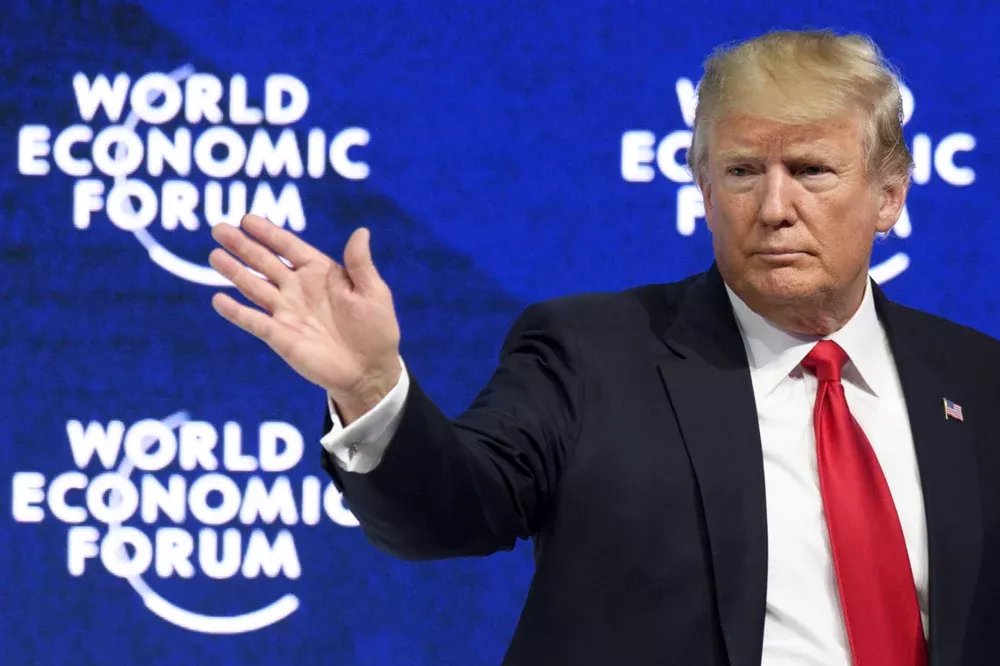
Swedish Prime Minister Ulf Kristersson publicly announced that Sweden will not join the Council for Peace. The statement was made at the World Economic Forum in Davos, where Kristersson said that the text proposed by the US is not relevant for Stockholm.
Sweden has not yet sent an official response to Washington, but the prime minister emphasized that the decision is firm and that his country reserves the right to decide independently on international agreements.
France and Norway: similar positions
France and Norway have announced that they will not join the American initiative. Both states have expressed concern that such a body could replace or weaken the UN mechanisms, at a time when the international system is already facing multiple crises.
Italy: constitutional concerns
In Italy, local media reported that the government in Rome does not intend to join the Council, with concerns that participation in a body led by the leader of a single country could conflict with Italy’s Constitution. The Italian authorities have not officially confirmed this position.
Context
The American initiative has been received with generalized caution among Western allies. European diplomats warn that the emergence of parallel structures in the field of peace and security risks fragmenting the existing international order, rather than consolidating it.
Conclusion
Refusals from key European states indicate a lack of broad support for the “Council of Peace” in its current form. Although the reactions differ in arguments, they converge on a central theme: avoiding any mechanism that could diminish the role of the UN or create alternative international structures with contested legitimacy.