







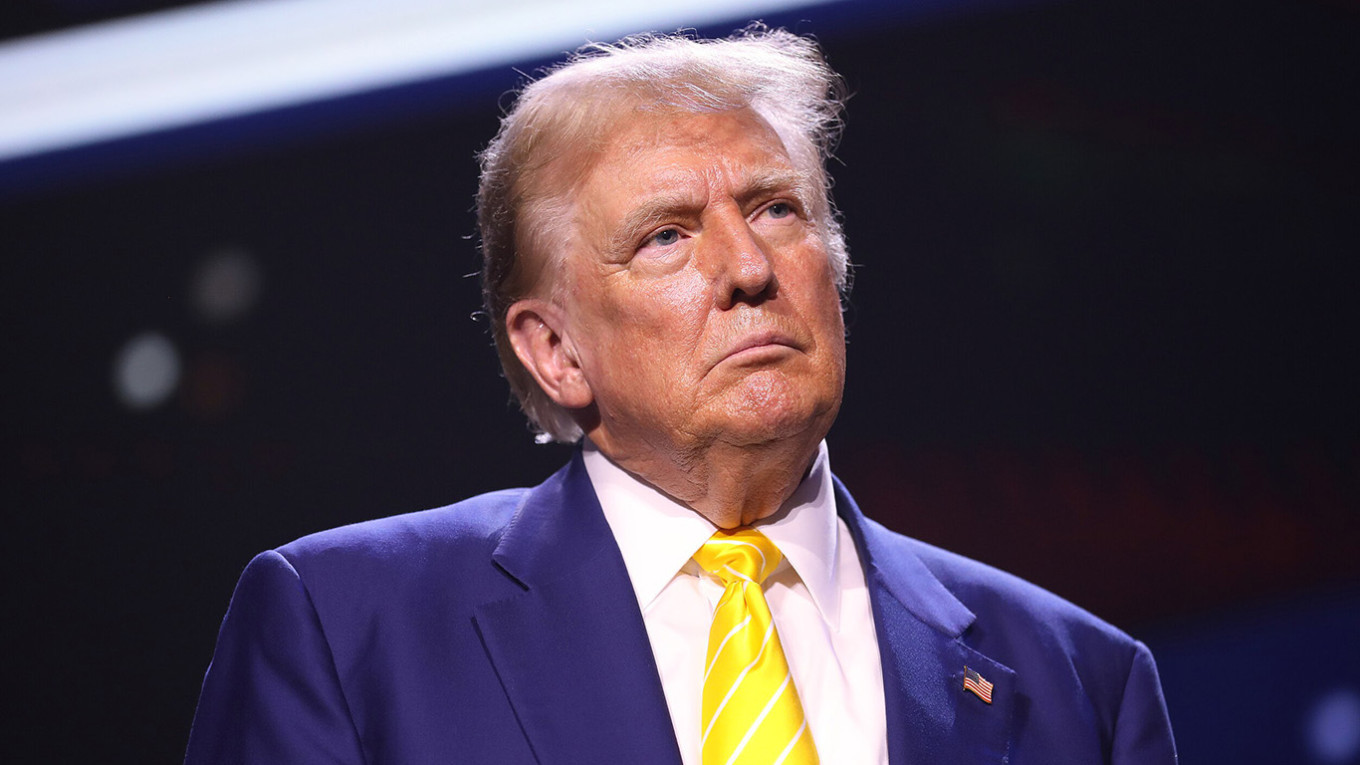
US President Donald Trump has launched a new attack on European NATO allies, asserting that member states “would not come to the defense of the US” in the event of an attack. The statements were made in a post published on his platform, Truth Social, and revisit a recurring theme of his political discourse: criticism of allies’ contributions to collective defense.
What Donald Trump claimed
In his message, Trump argues that:
-
most NATO states “did not pay their bills” for defense until his return to the White House;
-
the US disproportionately bore the costs of the alliance;
-
Russia and China “are not afraid of NATO without the US”;
-
NATO would not defend the United States in the event of an attack.
He explicitly criticized Norway, a NATO member state, for not awarding him the Nobel Peace Prize.
Fact-check: what is correct and what is not
The claim that NATO states would not defend the US
Is contradicted by a documented fact: the only activation of Article 5 of the NATO Treaty – the collective defense clause – occurred after the terrorist attacks of September 11, 2001, in support of the United States. All member states then recognized the attack on the US as an attack against the entire alliance.
The claim that Trump imposed contributions of 5% of GDP for defense
Does not correspond to reality. The official NATO goal is a minimum of 2% of GDP, and this threshold was not changed during Trump’s term. Some states have increased their defense budgets, but there is no NATO decision regarding a 5% threshold.
The claim that Russia would have controlled “all of Ukraine” without Trump
Is not supported by data or official assessments. Military developments in Ukraine are the result of multiple factors, including Western support that began before and continued after Trump’s term.
The claim that Trump “ended eight wars by himself”
There are no independent confirmations or official documents to support this claim.
Why these statements matter
Donald Trump’s outbursts are not isolated. They appear in a context of:
-
war in Ukraine;
-
sensitive debates about the role of NATO and the division of responsibilities within the alliance.
Questioning NATO solidarity, even at a declarative level, can:
-
fuel Russia’s propaganda narratives;
-
weaken public trust in the alliance;
-
create uncertainty among states on the eastern flank, including in the Black Sea region.
Conclusion
Although Donald Trump claims that NATO would not defend the United States, the historical precedent of Article 5 shows exactly the opposite. His statements mix real facts with inaccurate or unconfirmed claims, being part of a political discourse that simplifies and distorts the functioning of the North Atlantic alliance.


