




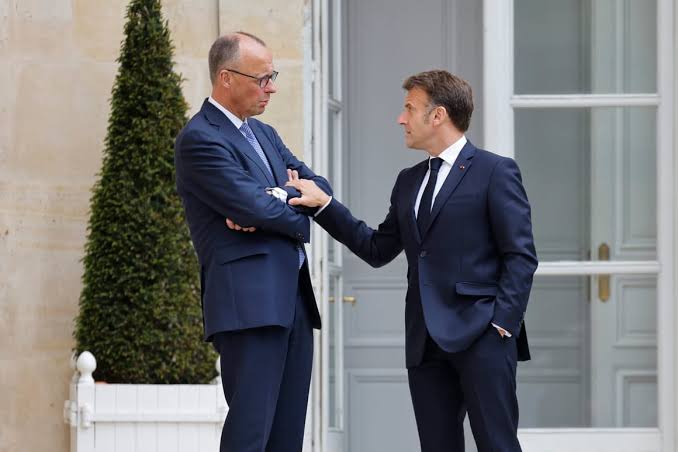
France, Great Britain, and Germany are trying to secure a place at the negotiation table regarding Ukraine. The resumption of peace talks, possibly not earlier than the fall of 2027. Europeans fear they might be left out of the process by the United States.
France, Germany, and the United Kingdom are currently working to secure their future participation in any peace negotiations concerning Ukraine and to protect their own interests, fearing that the United States might completely exclude them from this process, writes The New York Times. For now, Paris and Berlin are the ones playing the main role in shaping the European position, while London remains reserved, hesitant to damage its relationship with Donald Trump.
Fear of being avoided
“The regulation of the situation in Ukraine and relations with Russia are too important for Europe to be left indefinitely in the hands of an increasingly unpredictable Trump administration,” notes the American publication. “Europeans want to be sure that Washington and Moscow will not make any agreement without them.”
Concerns about an escalation of the war
In Europe, there is a fear that the war will become even more destructive, against the backdrop of Vladimir Putin’s preparations to intensify pressure, including through a possible mobilization, after the parliamentary elections scheduled in Russia in September. Some analysts fear that, feeling cornered, the Kremlin leader could move from hybrid attacks against Europe to a more serious testing of NATO solidarity.
“If the Russians do not manage to conquer Donbas by the fall of 2027, negotiations will become more likely. And key decisions must be made in advance,” writes the publication, citing Western analysts and officials.
Divergences regarding the format of negotiations
France, Germany, and the United Kingdom consider themselves the main Western actors involved in the negotiations regarding Ukraine, given that they form the core of the “Coalition of the Willing” and that they have developed the variants regarding military and security guarantees for the Ukrainian state. However, there are countries that disagree with this approach, including the Baltic states and Hungary.
Details, HERE