




The statements of the American president Donald Trump, which questioned the willingness of NATO allies to support the United States in a potential conflict, have generated a wave of public reactions on social networks, especially among users from member states of the alliance.
In a post on his platform, Truth Social, Trump stated that “the USA will always be with NATO, even if NATO will not be with us”, reiterating a series of older statements about the defense spending of allies. The message was quickly redistributed and commented on platforms such as X, where it triggered critical reactions.
What Trump said and what is disputed
In his message, Trump argued, among other things, that:
-
NATO states did not fulfill their financial commitments before his term;
-
he imposed an increase in defense spending to 5% of GDP;
-
NATO would not intervene in support of the USA in a crisis scenario.
These statements are disputed by official NATO data. The threshold assumed within the alliance is 2% of GDP, not 5%, and the only activation of Article 5 – the collective defense clause – took place in 2001, in support of the United States, after the terrorist attacks of September 11.
How users from allied states reacted
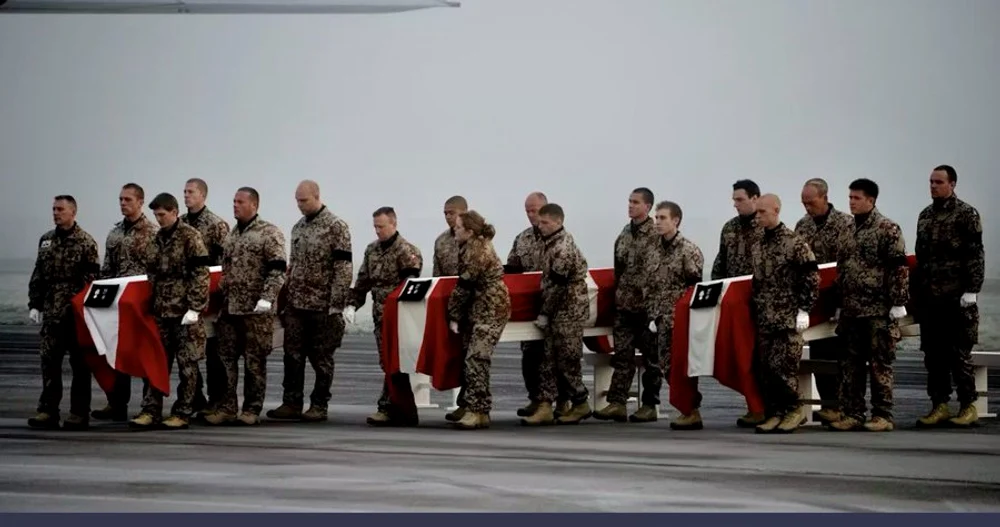
In response, users from several NATO countries have posted images and messages reminding of the losses suffered by allies in missions led by the USA, especially in Afghanistan and Iraq.
Polish journalist David Kamizela posted a photo of Polish soldiers killed in Afghanistan, and Danish politician Rasmus Jarlov commented that he does not know “how to explain to the parents of Danish soldiers” Trump’s statements. Similar reactions appeared from the UK and France, where users invoked the military sacrifices made in the name of transatlantic solidarity.
These messages do not represent official positions of governments or NATO, but individual reactions that have gone viral online.
The context of the facts invoked
According to official data, over 1,100 allied military personnel (not including American losses) died in Afghanistan. Also, the NATO intervention during that period was explicitly triggered in support of the USA, following the invocation of Article 5.
Why these reactions matter
The wave of messages appearing on social networks reflects a public counter-narrative to the discourse that questions NATO solidarity. Without having institutional value, these reactions indicate the sensitivity of the subject and the risk that political statements may be perceived as a denial of the sacrifices made by allies over the past decades.
In a tense geopolitical context, such statements and the reactions they generate can contribute to the erosion of public confidence in the North Atlantic alliance, even in the absence of official policy changes.


