







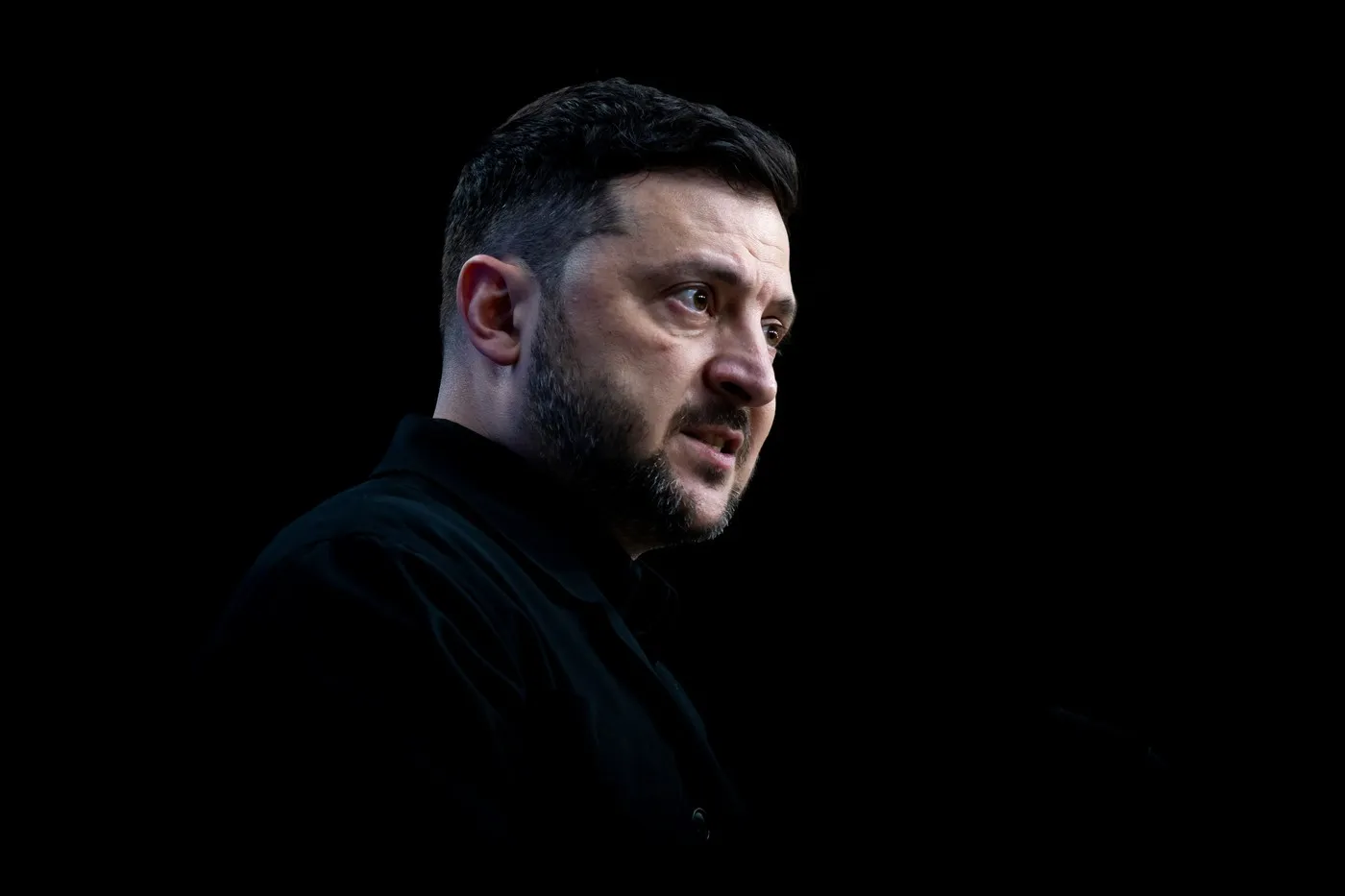
President Volodîmîr Zelenski has appointed two of Ukraine’s most well-known commanders to oversee the defense of the bastions in the east of the country, where Kiev’s troops are struggling to repel the Russian offensive, according to Reuters.
Russian troops are slowly advancing towards the so-called belt of fortresses, formed by industrialized cities in Donetsk. The Kremlin had asked Ukraine to surrender the entire region to end the war.
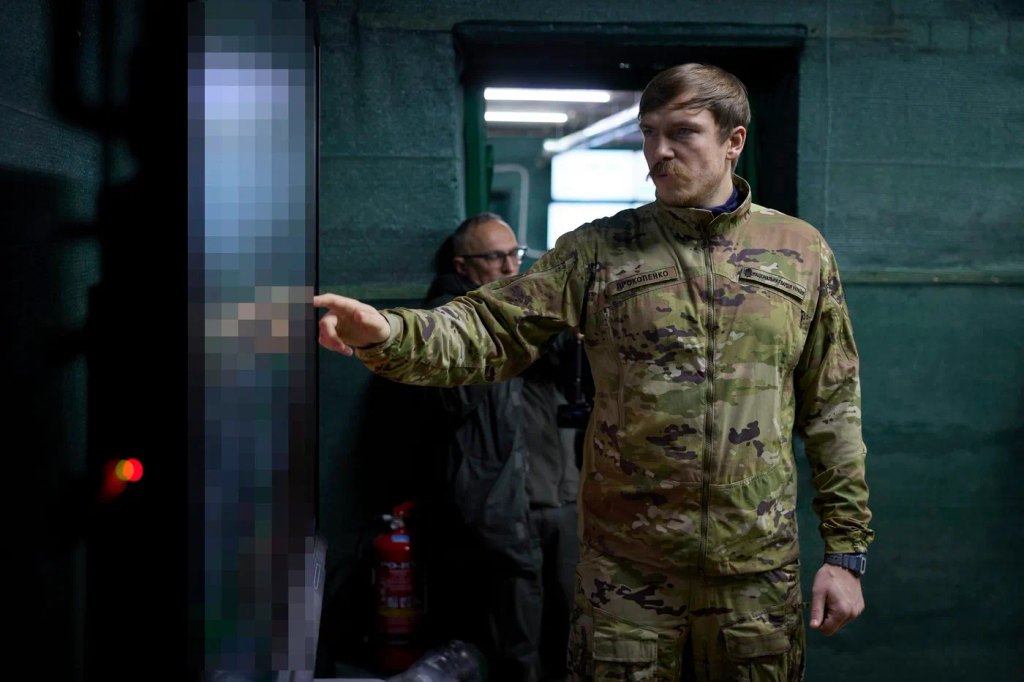
Volodymyr Zelensky, while on a visit to the frontline alongside the Chief of Staff, announced that Andrii Biletsky, the commander of the Third Army Corps, and Denis Prokopenko, the commander of the “Azov” First Corps, will lead the new groups intended to strengthen the defense in the Donetsk area.

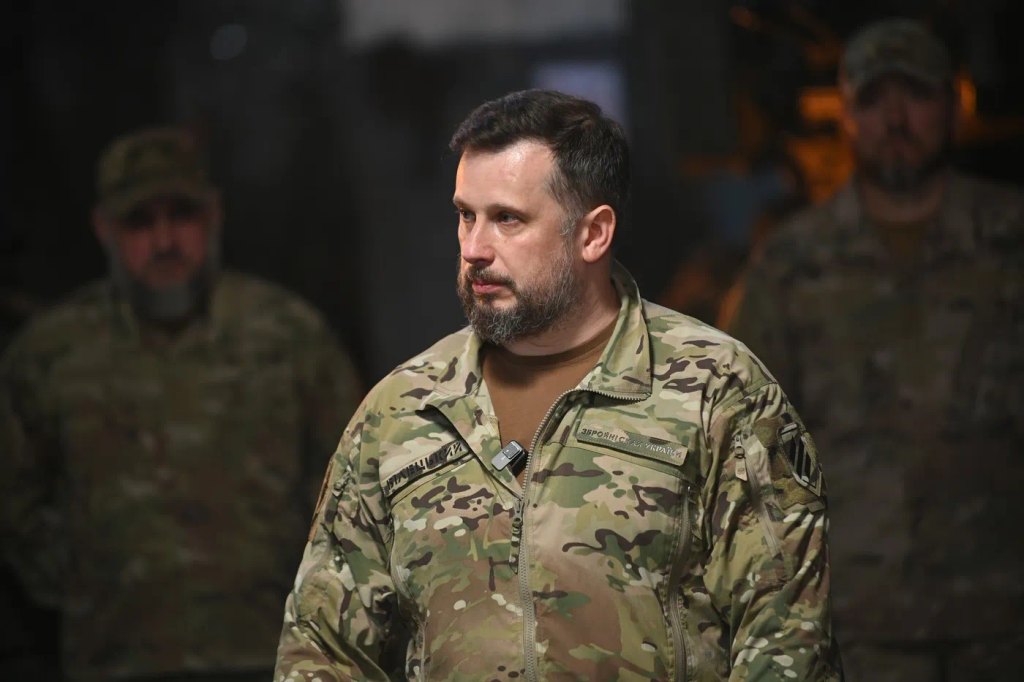
The two are part of a new generation of experienced field commanders, currently leading what are considered some of the most capable and best trained forces of Kiev. Their troops are already involved in the battles on this part of the front, and the commanders have been praised for their efficiency in combat and planning ability.
Progress and failures on the front alike
The appointments come at a time when Ukrainian troops are recording both progress and failures on the front line.
This year, they have liberated dozens of localities, as part of an operation carried out in several stages in a southeastern sector, reclaiming over 700 square kilometers of territory, according to the Ukrainian president.
However, Russian forces are approaching cities such as Kostiantînivka, Kramatorsk, and Sloviansk, essential strongholds for Ukraine, which has rejected the Kremlin’s demands to surrender the region.
The appointment of the two commanders, military personnel who have been involved in the war since the first invasion of Russia in 2014, aims to provide the new Chief of Staff, Mihailo Drapatîi, with a broader margin for strategic planning, believes Ukrainian military analyst Mikola Bielieskov.
His predecessor, Oleksandr Sîrski, had been criticized for micromanagement and trying to manage even smaller sectors of the front.
Details, HERE


