







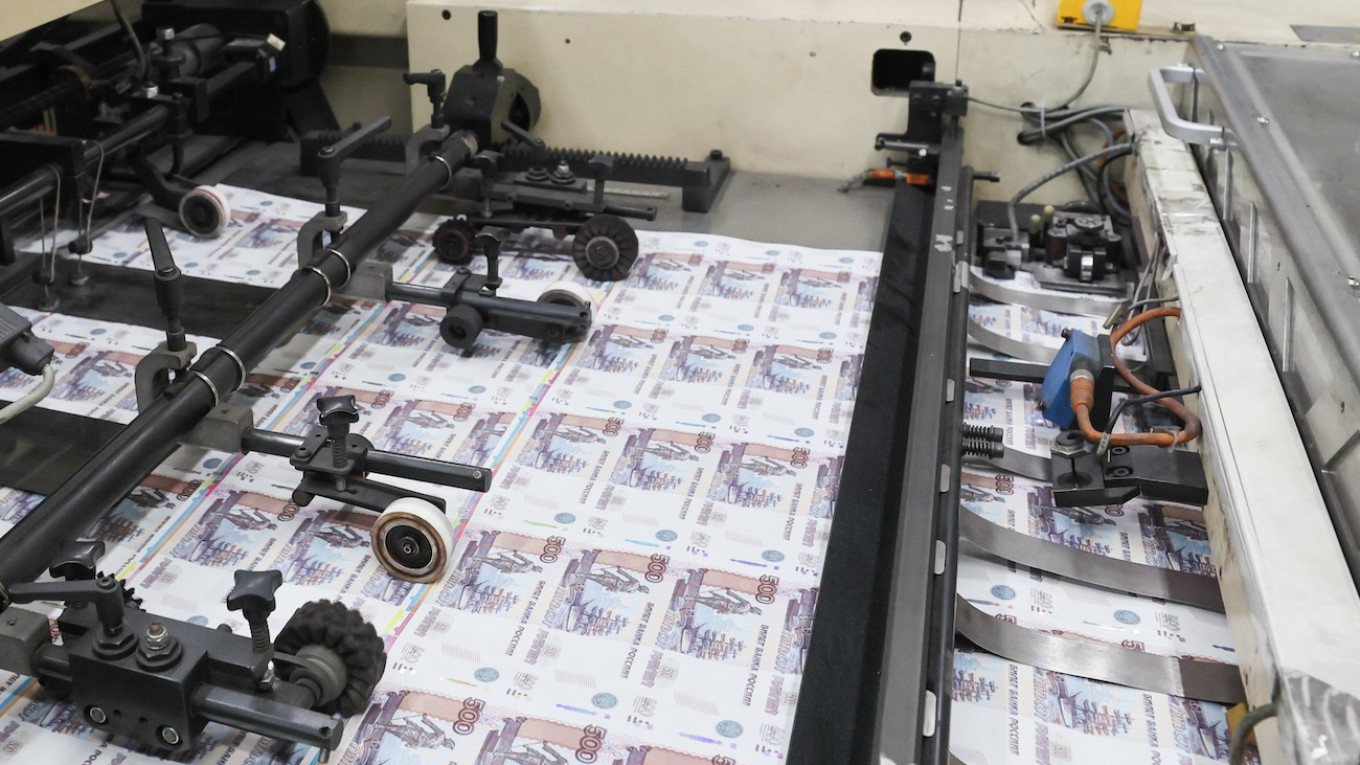
The Central Bank of Russia is becoming increasingly involved in covering the federal budget deficit, offering loans to banks so they can buy Russian public debt, writes Bloomberg.
According to the agency, which cites data from the Bank of Russia, until June 18, the regulator injected 4.748 trillion rubles into the banking system in the form of repo loans secured by Russian federal bonds (OFZ).
The scheme works as follows: banks buy government bonds issued by the Ministry of Finance to finance the budget deficit, they subsequently deposit them at the Central Bank as collateral and receive loans. With this money, financial institutions often buy new government bonds, explains Bloomberg.
Consequently, a large portion of government bonds end up, indirectly, on the balance sheet of the Central Bank.
The data published by the regulator shows that the pace of liquidity injection increased sharply in the fall of last year, when the federal budget faced a double-digit decline in oil and gas revenues and a rapid rise in the deficit.
Between the end of October and the end of December, the Bank of Russia granted repo loans to banks amounting to 1.9 trillion rubles, and since the beginning of this year, it has added approximately 1 trillion rubles more.
Details, HERE


