


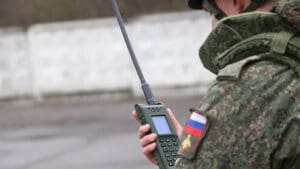




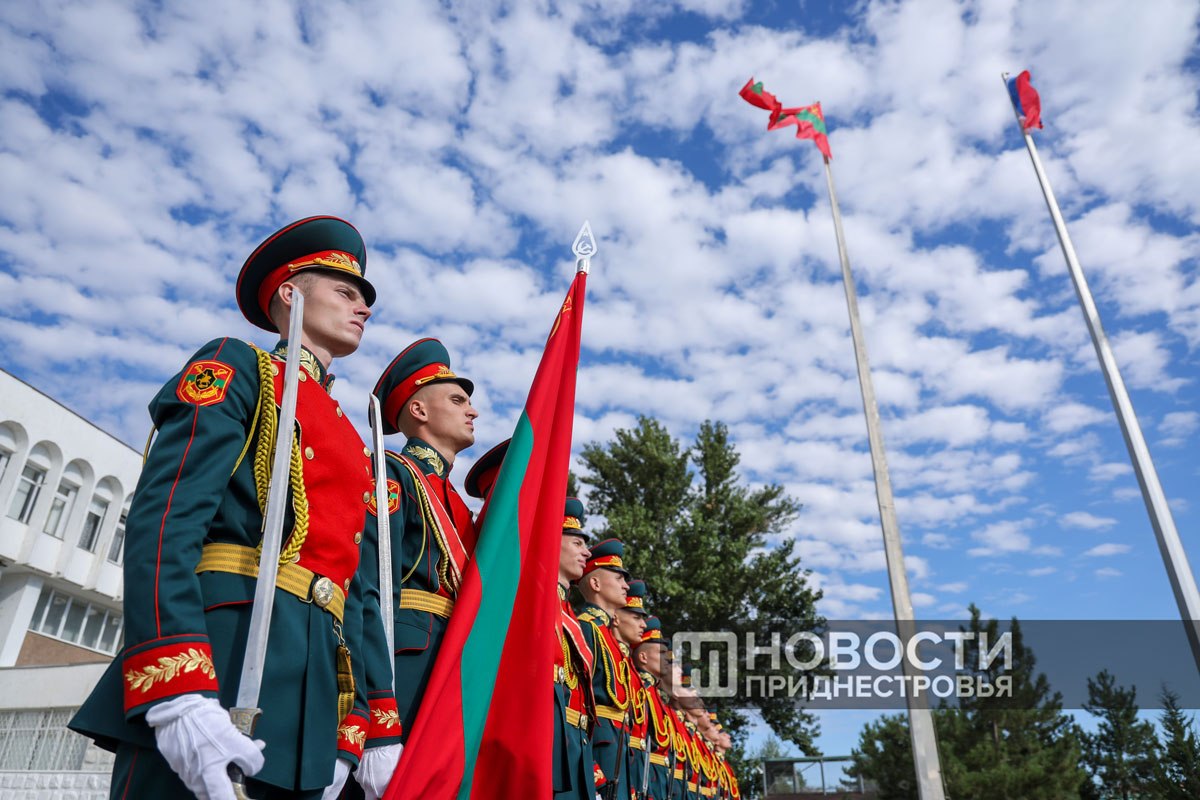
Officials from Tiraspol have announced lavish events, dedicated to the alleged day of the self-proclaimed republic. Although they claim it’s the celebration of “independence”, Russian flags have been hoisted in the cities of the region.


In addition to hoisting the flags of Russia, in the spirit of independence, local officials have decided to offer graduates a diploma issued by local authorities, along with one issued by Moscow. Similarly, several young people were offered the passport of the unknown region.
Local editorial offices have outdone themselves in publishing images of workers’ parades, statements from separatist officials, as well as congratulations from Russian politicians and dignitaries.
The former Transnistrian leader flaunted his alleged authority in video sequences published by the press close to the power in Tiraspol, which claims that foreign tourists would have lined up to take pictures next to him.
According to DisInfo sources, while the separatist authorities in Tiraspol were singing praises to Moscow, asserting their (in)dependence, the population of the region took advantage of the day off to perfect their Moldovan documents. The branches of the Public Services Agency serving the residents of the area recorded more inquiries than usual.
From the narratives of propaganda, information was not lacking, such as that Moldova would have attacked its own territory in 1992, although it has been known for years that the war on the Dniester was triggered by Moscow. Therefore, some residents of the region and officials from Tiraspol commemorated the soldiers of the secessionist troops.

DisInfo has identified campaigns carried out by journalists from the region, reporting on the visit of foreign tourists to the left bank of the Dniester, the food they tasted, reservations made a year in advance of the alleged holiday, and the lack of places in the hotels of Tiraspol, especially in the one called “Rossia”.
Some publications have posted photos or videos of people from abroad. Journalists showed them how to send greetings in Russian or make brief statements about the event taking place in the region. A good portion of these materials were published by the TSV editorial team.


