
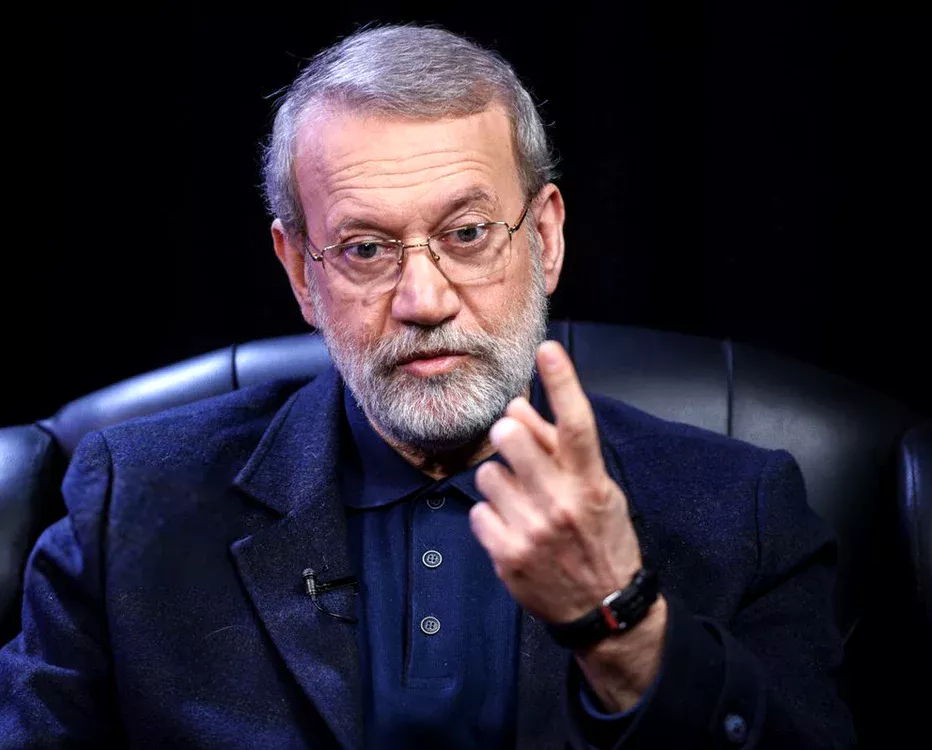
Even before the assassination of the former supreme leader, in the early hours of the war against Iran, an Iranian official offered a rare glimpse into the power mechanisms in Tehran. He did not point to the supreme leader, but to a shadowy figure pulling the strings, reports The Telegraph.
“He is one of the very few people who can still meet the leader and has been tasked with saving the system”, the official revealed to the British publication.
This man, Ali Larijani, the head of national security, is now dead – killed in an airstrike. His death, the latest in the upper echelon of leadership following the assassination of the supreme leader, Ali Khamenei, may be the most significant so far for the power structure that has upheld the Islamic Republic for decades.
If Khamenei was the embodiment of state authority – religious, political, and military – Larijani was considered the man who made the system work. In the past year, insiders described him as the de facto leader of the country, a rare diplomat in a system dominated by ideological conservatives.
His influence came not only from official roles, but from a deep understanding of Iran’s institutional mechanisms. Over a career spanning more than three decades, Larijani has been the minister of culture, head of state television, secretary of the Supreme National Security Council, and speaker of the parliament. Most recently, he served as Khamenei’s personal envoy to Russian President Vladimir Putin, solidifying his central role in foreign policy.
However, it was his responsibilities that made him indispensable. Larijani coordinated relations between rival power centers, managed sensitive diplomatic channels, and limited internal conflicts that could fragment the state. He also played a crucial role in managing succession, so that power transitions would not destabilize the system.
Details, HERE