




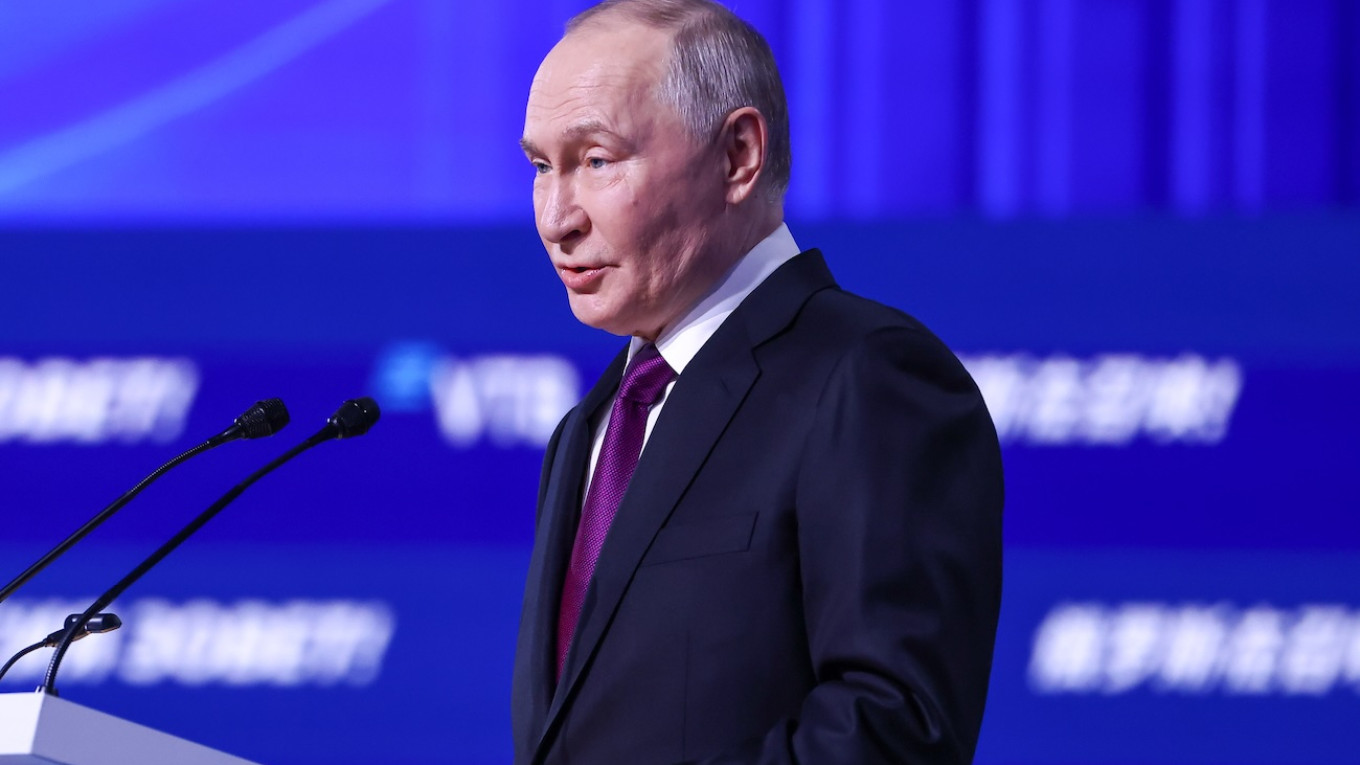
Russian President Vladimir Putin continues the war in Ukraine because he is convinced that Russia has a decisive advantage on the battlefield, a perception fueled by overly optimistic military reports, according to an analysis published by the Financial Times.
The publication cites Western officials and sources close to the Kremlin who claim that the Russian leader regularly receives distorted information about the situation on the front — information that he seems to believe.
An Example: Kupiansk
At the end of November, General-Colonel Sergei Kuzovliov reportedly told Putin that Russian forces “have completed the liberation of the city of Kupiansk,” an important logistical node in the Kharkov region. Putin verbally confirmed the information and subsequently decorated the commander with the “Golden Star” order, the highest military distinction of Russia.
Just a few days after the ceremony, Ukrainian President Volodymyr Zelensky published a video clip filmed near the entrance sign to Kupiansk, claiming that the city is not under Russian control. Independent assessments indicate that Russia has not fully controlled the locality since the beginning of the invasion in 2022.
Beautified Reports for the Kremlin
The contradiction between Moscow’s statements and the reality on the ground has reignited questions about the quality of information that reaches Putin. According to two officials cited by the Financial Times, military commanders and security structures tend to exaggerate Ukrainian losses, highlight the superiority of Russian resources, and downplay tactical failures.
Although Putin is informed about the increasing pressure on the Russian economy, the optimistic picture presented in military reports would have convinced him that Russia can achieve a total victory, the sources claim.


