
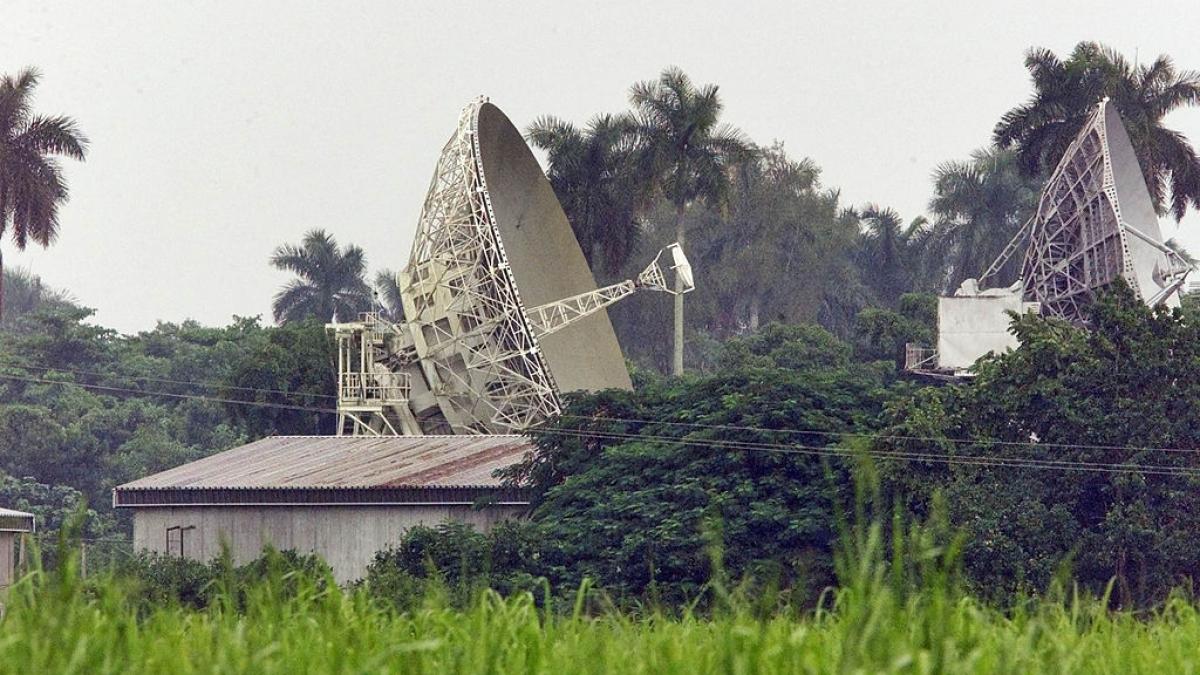
A Russian oil tanker loaded with 730,000 barrels of crude oil is crossing the North Atlantic, and its likely destination – Cuba – brings back into focus a subject that Washington treats as a national security emergency: the spy bases that Russia and China operate on the island, less than 350 kilometers from the coasts of Florida. Moscow thus risks an open conflict with the Trump administration, which has already cut off Cuba’s oil imports and is pressuring for a regime change in Havana, writes The New York Times.
In an executive order issued in January, President Trump declared a national emergency, citing several reasons for acting to block Cuba’s oil imports. Among the first on the list was the accusation that the country allows Russia and China “blatantly” to “operate sophisticated military and information capabilities” on its territory, capabilities that threaten the national security of the United States.
The mentioned order stated that Cuba “hosts the largest Russian signal interception information facility outside its borders, which is trying to steal sensitive national security information from the United States.”
This refers to a Russian facility near Havana, established during the Cold War, which monitored the United States for decades – until it was closed almost 25 years ago, in a moment of relative relaxation between Washington and Moscow. However, once tensions reappeared, in 2014 Russia reopened the base, known as Lourdes.