
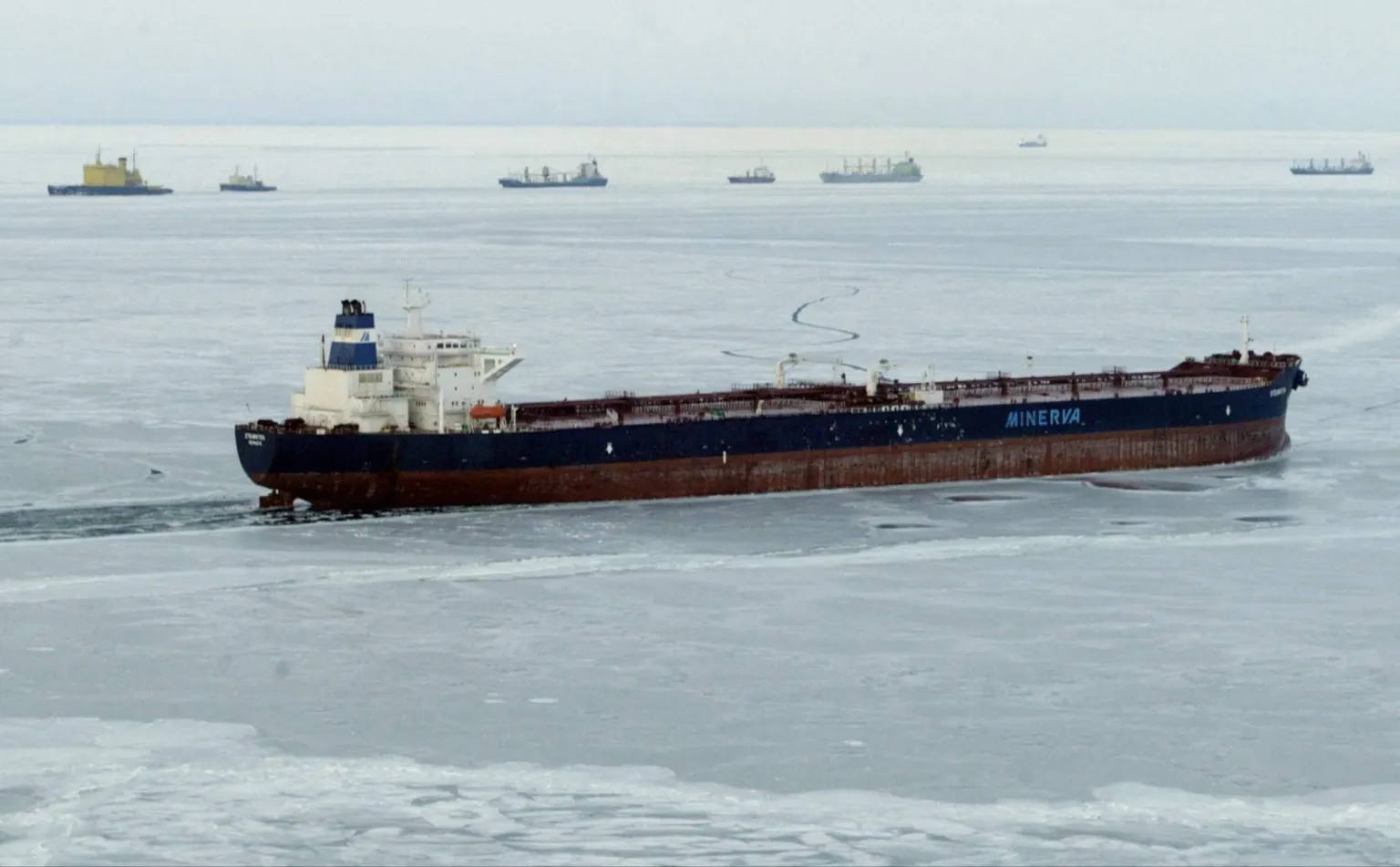
Russia’s oil exports via the Northern Sea Route (NSR) have already exceeded last year’s level by almost 50% this year, with approximately 20 million barrels being transported to Asia from the beginning of the navigation season in July until mid-October, traders stated, and the data analyzed by Reuters confirms the situation.
The Northern Maritime Route connects the western ports of Russia to the Asian markets, crossing the frozen waters of the Arctic, and is considered a more dangerous and costly route.
However, this year it has become more attractive due to disruptions on routes crossing the Suez Canal, Strait of Hormuz and the Black Sea area, according to traders.
Record rates for sea oil transportation
The rates for maritime oil transportation have skyrocketed, reaching record levels, as the wars in Iran and Ukraine have fueled inflation and made American crude oil inaccessible for Asian refineries, prompting them to seek alternatives from the Middle East and Latin America.
This has made the high tariffs for ships using the Northern Sea Route, which require the assistance of an icebreaker, less burdensome in terms of costs compared to the usual route to Asia, through the Red Sea.
For Russia, which controls the Northern Sea Route, this represents a secure alternative to European waters, where tankers transporting Russian oil under sanctions have been regularly detained over the course of this year.
Details, HERE