





The spectacular diplomatic successes of the twentieth century have fueled the idea that strong leaders can resolve, through direct negotiations, even the most complex geopolitical rivalities. However, the relationship between the United States and China seems to demonstrate the limits of this theory.
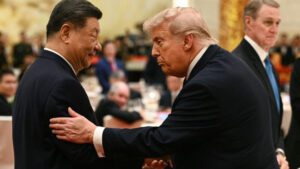
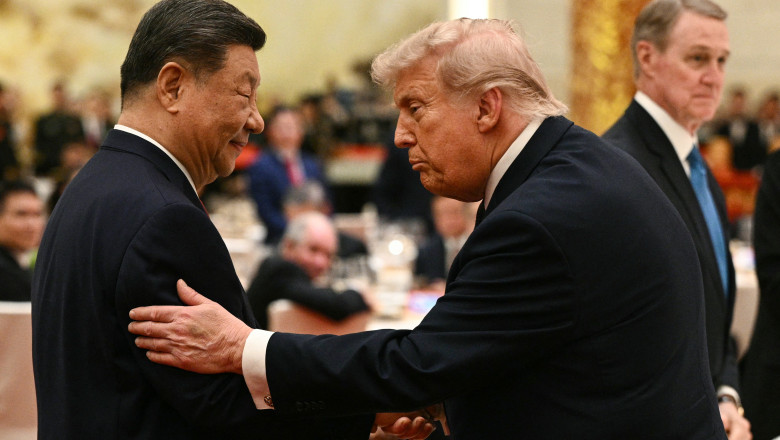
Despite high-level meetings and hopes for a possible “grand bargain”, Donald Trump and Xi Jinping have failed to change the deeply conflictual nature of the competition between the two superpowers.
A new summit is scheduled for September 23 in Washington, but the structural differences between Washington and Beijing, as well as the radically different styles of the two leaders, limit the prospects of a major diplomatic breakthrough, writes Foreign Affairs in an analysis.
The epochal diplomatic successes of the United States in the 20th century have created dangerously high expectations. Germany and Japan surrendered unconditionally in 1945; American President Harry Truman contributed to the creation of NATO in 1949; President John F. Kennedy managed the Cuban missile crisis of 1962 through a combination of pressure and secret diplomatic exchanges with Soviet leader Nikita Khrushchev; and in the 1980s, President Ronald Reagan and Soviet leader Mikhail Gorbachev negotiated historic arms control agreements, contributing to the end of the Cold War.
Such moments have accustomed many Americans to believe that skilled political leaders can emerge from seemingly unresolvable deadlocks through decisive decisions and direct negotiations. This hope is particularly strong among those who follow the evolution of China.
The way diplomacy between the United States and China is envisioned was shaped by the pivotal moment in 1972, when the American president Richard Nixon and his national security advisor, Henry Kissinger, redesigned the geopolitical map of the world during a week-long visit to China, where they met with Mao Zedong and Zhou Enlai.
The rapprochement between Washington and Beijing transformed the Cold War from a largely bipolar confrontation into a strategic triangle. Then, in 1979, President Jimmy Carter officially opened a new stage in relations with Beijing. Chinese leader Deng Xiaoping was received at the White House, and the United States and China established official diplomatic relations.
Read more HERE


