
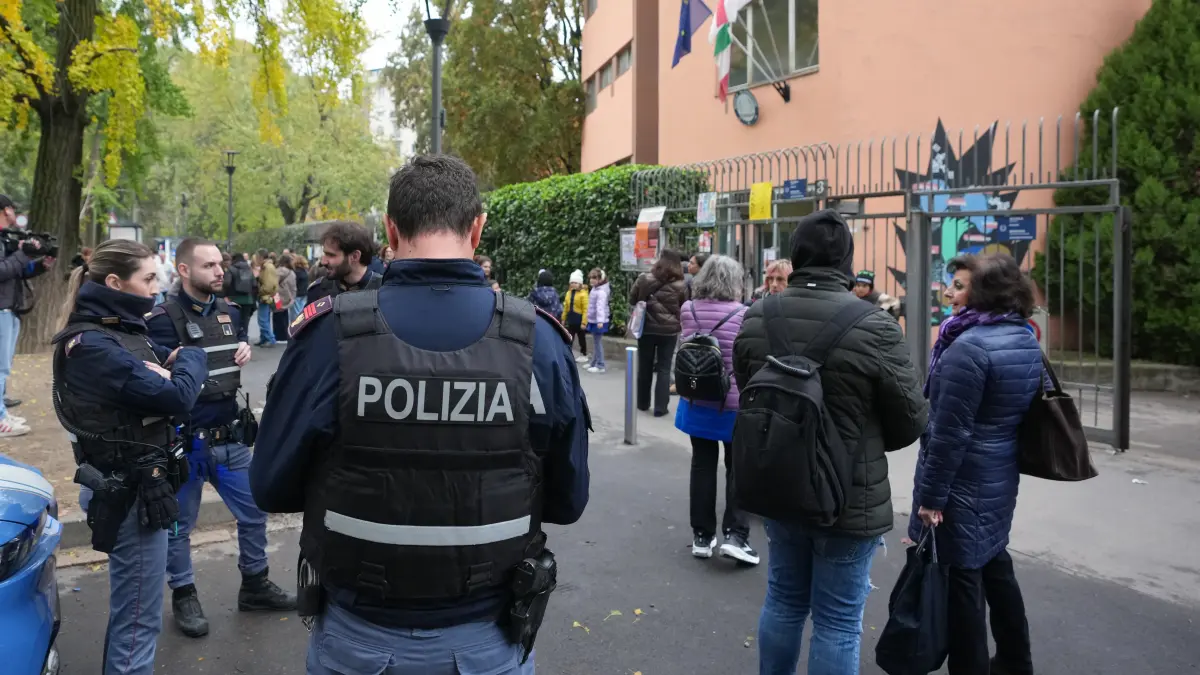
More than 8,000 hoax bomb threats have targeted schools, airports, airlines and media outlets across Europe over the past month, triggering evacuations, flight cancellations and diversions, and disruptions to television broadcasts. A Reuters investigation reveals the scale of the campaign, how the messages were sent and suspicions of possible foreign involvement, including by Russia.
According to a Reuters tally based on information released by European officials, media reports and data provided by cybersecurity firms, most of the targets were schools in the UK, Ireland and Italy. However, the campaign also targeted media organizations, airports, airlines, charities and individuals.
When an email arrived at St John the Baptist Primary School in Belfast on October 19, warning that a bomb had been planted in the building, principal Chris Donnelly was sceptical. Donnelly said the message was deleted within minutes and that he could no longer recall its exact wording, but he remembered that it was vaguely worded and had also been sent to numerous other schools.
“It did not appear to be a serious threat,” he told Reuters.
Nevertheless, he decided to keep the pupils indoors and arranged for every room to be checked. The Police Service of Northern Ireland later announced that around 300 schools had received the same message and that the incident was being treated as a hoax.
“Even if it seems like a hoax, the initial response must be extremely serious,” he said.
Wave of bomb scares
The incident at St John School was one of more than 8,000 hoax bomb threats sent to institutions and businesses across Europe over the past month, according to a tally compiled by Reuters.
Most of the targets were schools in the United Kingdom, Ireland and Italy. However, the campaign also targeted media outlets, airlines, airports, charities and private individuals.
More details HERE