







Although European states use harsh language towards the Kremlin and discuss future response options, the strategy remains, for now, “stay calm and carry on,” according to a high-ranking NATO diplomat.
Despite the intensification of Russia’s attacks on critical infrastructure and armament factories in Europe, NATO member states remain hesitant to take harsh and immediate measures, for fear of provoking a reaction from the Kremlin.
European capitals are considering several options — among them, opening a debate on the possibility of so-called hybrid attacks activating the collective defense clause provided by Article 5 of NATO, a more unified communication in the event of incidents, as well as a stronger emphasis on the protection of critical infrastructure —, according to three NATO diplomats and another person familiar with the subject, who spoke under the protection of anonymity, given the sensitivity of the topic. However, for now, Europe is avoiding any radical step, partly out of fear that such an escalation could degenerate into a total war with Russia.
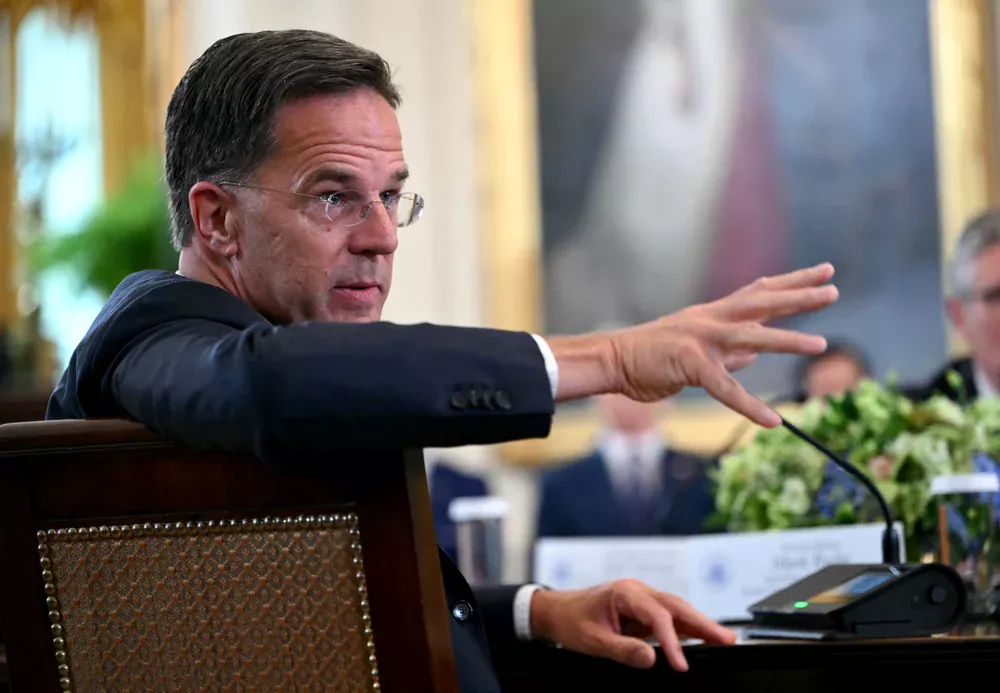
“We have all the response options… some will be public, others will not,” declared on Monday for POLITICO, the NATO Secretary General, Mark Rutte. “I convey to Putin and all those who want to listen: if you continue like this, not only will we resort to our response options, but we will also continue our support for Ukraine.”
Increasing pressure, but without decisive steps
These calls to action reflect the growing concern about the increasing frequency of sabotage acts, cyber attacks, and other operations below the threshold of a conventional war on European territory. Over the weekend, a Russian drone hit a train near the Polish-Ukrainian border, shortly after high-ranking Western security officials had passed through the area, while Bulgarian authorities have opened investigations into two explosions at weapon depots in the country.
“The pressure is mounting, considering the events at the Polish border,” declared a fourth high-ranking NATO diplomat. However, for now, the strategy remains “to keep calm and continue… to further support Ukraine.”
The most serious incidents attributed to Russia, including an attempted attack on the Leipzig airport last month, have so far been thwarted. However, more and more European officials are facing the prospect of a successful attack, with casualties, and the public reaction it would trigger.
Details, HERE


