
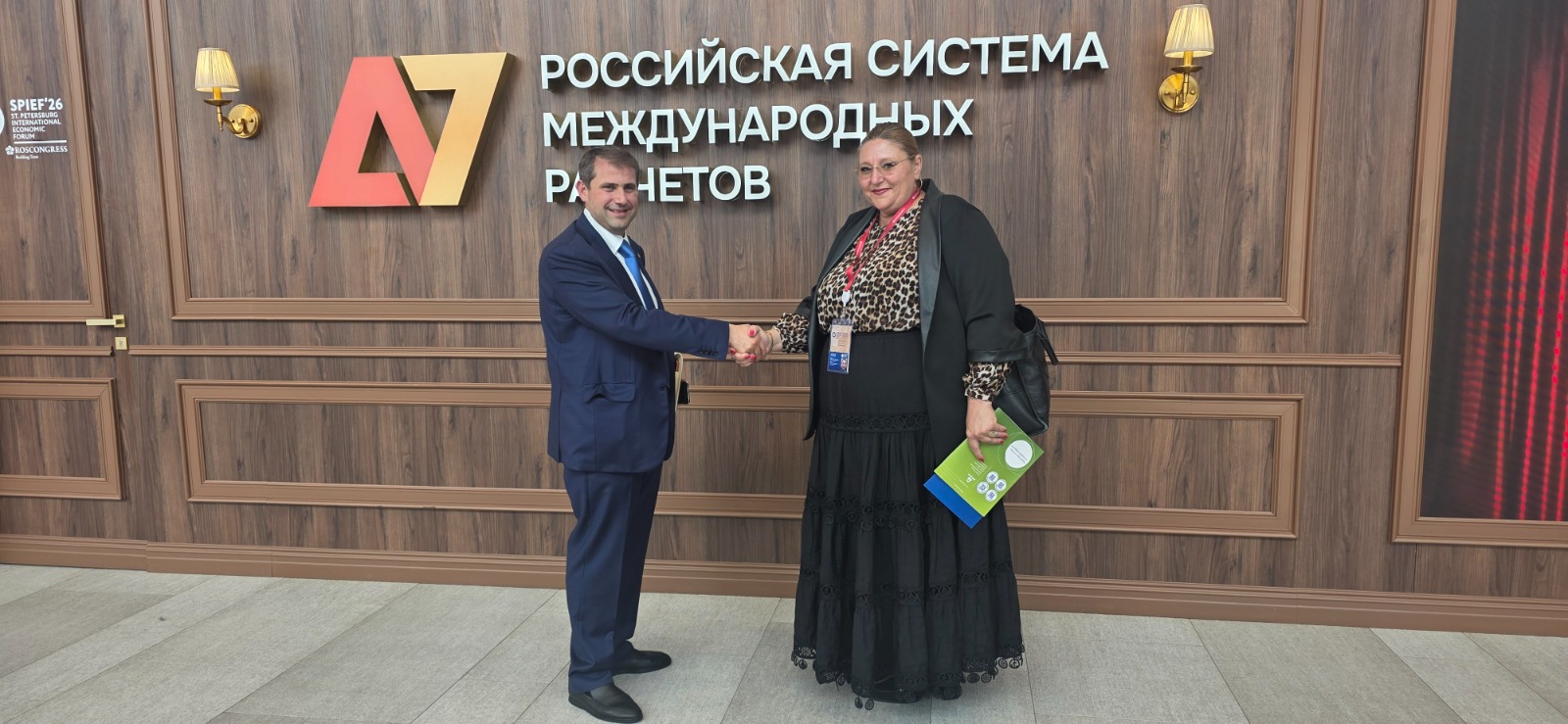
A financial company created by the fugitive Moldovan oligarch Ilan Șor, with the support of a Russian state bank linked to the defense industry, has injected at least 6.9 billion dollars into the international banking system, using a vast network of shell companies and falsified trade documents to circumvent Western sanctions imposed on Russia.
A7 was established at the end of 2024, in Russia and Kyrgyzstan, by Ilan Şor, with the support of Promsvyazbank (PSB), a Russian state bank closely tied to the defense industry. The purpose of the system is to allow Russian companies to make international payments despite sanctions and the removal of some Russian banks from the SWIFT system following the invasion of Ukraine.
FT even quotes a statement from Şor for the Russian agency TASS, from July, in which he boasted about his system’s resistance to sanctions: “We offer companies and countries freedom, because our system is immune to sanctions,” writes News.
The FT investigation, based on hundreds of thousands of internal A7 documents, however, shows that behind the image of an innovative financial system – with cryptocurrencies, new payment mechanisms, etc. – there is also a much more traditional mechanism: money laundering through front companies and industrial-scale forgery of commercial documents.
FT journalist Chris Cook describes it very directly in the publication’s podcast: in reality, the mechanism was largely an “old-fashioned” method of money laundering.
Simplified, the scheme worked as follows: A7 created or used front companies in countries that had normal access to the international banking system. Money was deposited into these accounts, and the companies then made the external payments needed by their Russian clients. Thus, if a company from Russia needed to pay a supplier from China, the payment could appear in the banking system as coming, for example, from a company in the United Arab Emirates.
Over half of the flows identified by FT were ultimately destined for bank accounts in China.
When banks requested transaction justifications, what FT describes as a real “forgery factory” intervened. A7 has thousands of company stamps, some forged, others copied from documents of real companies, and manufactures invoices and other documents to create an apparently legitimate commercial justification. Employees even modified the customs codes of sanctioned products and tried to remove from documents any “Russian trace”, including Cyrillic letters.
Read more HERE