



The lack of oil kills no one. However, the lack of drinking water could cause the death of tens of millions of people in just a few days.
While the world’s attention is focused on oil prices and the risks to maritime transport through the Strait of Hormuz, another strategic vulnerability in the rivalry between the United States and Iran remains almost ignored: drinking water.
According to Bloomberg analyst specializing in energy and commodity markets, Javier Blas, the CIA has considered water a “strategic resource” essential for the Middle East since the 1970s.
Vital dependence on desalination
Gulf States – Saudi Arabia, Kuwait, Bahrain, Qatar, United Arab Emirates, and Oman – have huge reserves of hydrocarbons, valued at trillions of dollars. However, they have extremely few fresh water resources.
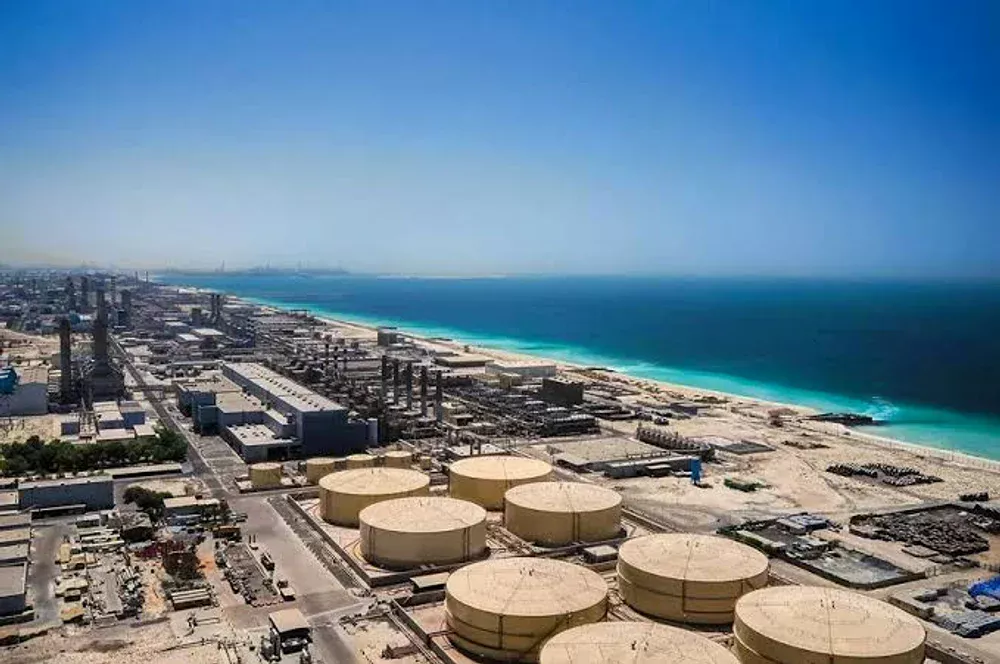
Starting from the 1970s, oil revenues have partially solved the problem through technology. About 450 desalination plants have been built in the region, which transform seawater into drinking water. Without these, the existence of these states in their current form would be practically impossible.
A secret CIA report from the early 1980s – later declassified – showed that government officials in the region considered water even more important for national welfare than oil. After more than 40 years, this assessment remains valid.
Details, HERE