






Separatist officials from the Transnistrian region would have been banned from traveling on the right bank of the Dniester by the region’s leadership, reports IPN. Last week, on anonymous Telegram and Viber channels, information appeared about an alleged unofficial decree from Vadim Krasnoselski’s administration, which would impose restrictions on leaving the region or the obligation to coordinate travels.
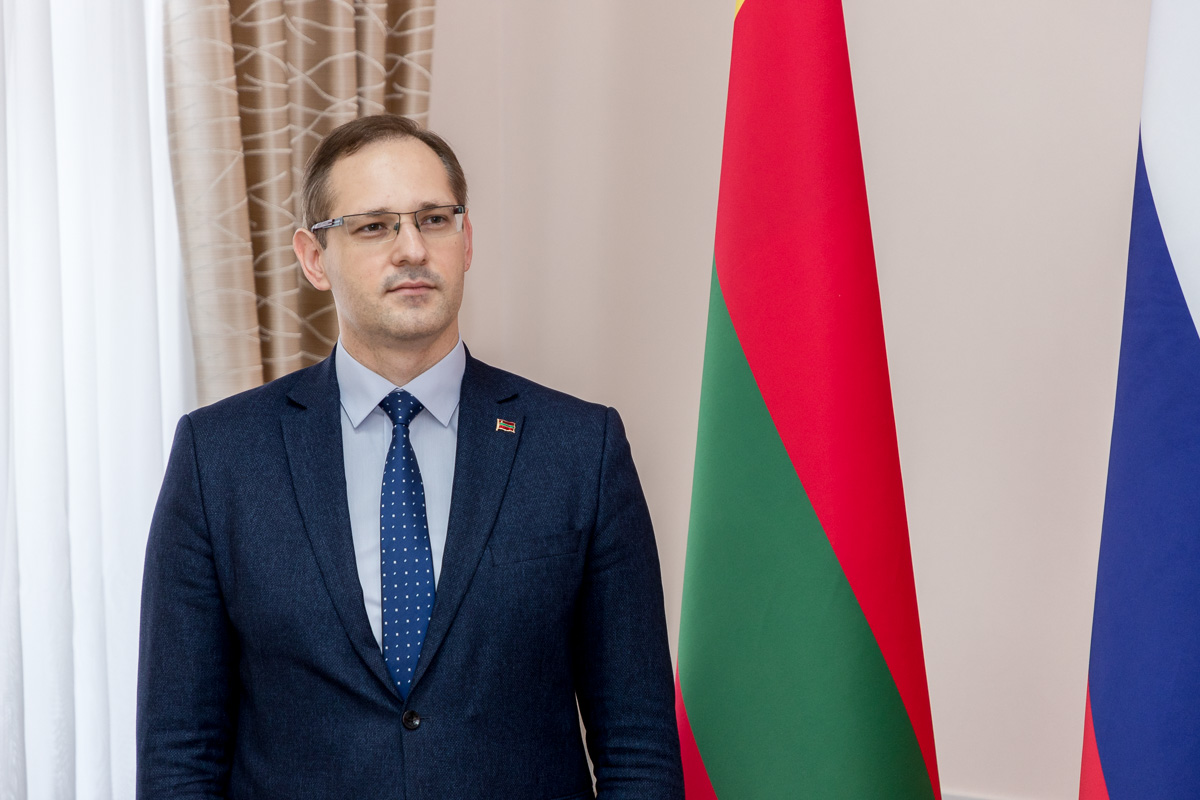
In the meantime, the so-called Transnistrian foreign minister Vitali Ignatiev has sent a letter to the Deputy Prime Minister for Reintegration, Valeriu Chiveri, in which he condemns the ban imposed by the authorities in Chisinau on the former head of the so-called interior ministry of the region, Ruslan Mova.
The document is dated March 30, 2026. Ingnatiev requests the cessation of entry restrictions imposed on the inhabitants of the Transnistrian region and asserts that Mova is involved in a legal process in the Republic of Moldova, initiated after President Maia Sandu revoked his citizenship. According to the court’s decision, Mova must appear at the hearings in the case, scheduled for September 2026.
According to IPN sources in Transnistrian political circles, Chisinau’s decision has “shocked” some alleged deputies and high-ranking officials of the region, who previously used Chisinau as a transit point for travels abroad.
IPN sources from Tiraspol believe that the situation has a symbolic character, as the former representative of the region’s power structures is now forced to appeal to the Moldovan judicial system. On the other hand, in 2025, in the Transnistrian region, a criminal penalty was introduced for appealing to the Moldovan legal bodies or courts in matters of human rights violations, which provides for up to 10 years of imprisonment.
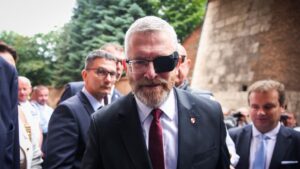
Ruslan Mova was denied entry into the Republic of Moldova after landing from Turkey at the Chisinau airport. He presented a Ukrainian passport, as his Moldovan citizenship was revoked at the end of February by presidential decree.


