
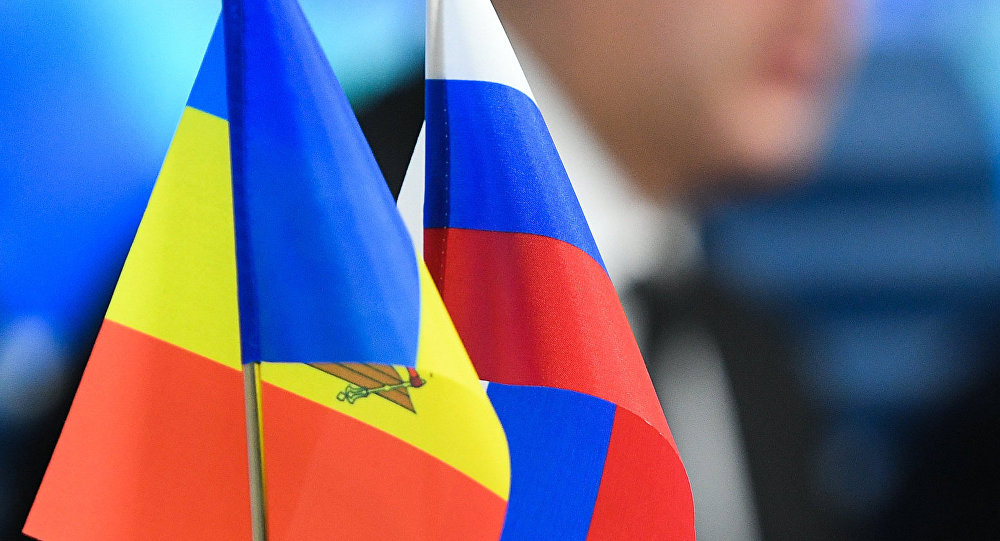
The Ministry of Foreign Affairs in Chişinău criticizes the Russian Federation’s plan to open polling stations in Transnistria for the September legislative elections in the Russian Federation, stating that this move, uncoordinated with the government of the Republic of Moldova, is “unacceptable” and constitutes a violation of the country’s sovereignty and territorial integrity.
The leader of the Transnistrian region, Vadim Krasnoselski, announced that Moscow will open polling stations in the separatist territory for the State Duma elections of the Russian Federation on September 20.
In response to this, the Ministry of Foreign Affairs of Moldova declared that the opening of voting sections in Transnistria by Russia for the legislative elections is unacceptable without the agreement of the constitutional authorities of the Republic of Moldova. However, the Russian Embassy in Moldova agreed with the country’s authorities to open only one voting section – in Chisinau.
The Ministry emphasized that Moldova recognizes the right of foreigners on its territory to participate in elections organized by their countries of citizenship.
“However, this right must be exercised with full respect for the sovereignty and territorial integrity of the Republic of Moldova, and the organization of electoral processes by foreign states on the country’s territory must be coordinated in advance with the constitutional authorities in Chisinau.”
An “unacceptable” action
“In these circumstances, Russia’s intention to additionally open 16 polling stations in the Transnistrian region, without the agreement of the constitutional authorities of the Republic of Moldova, is unacceptable and represents a violation of the country’s sovereignty and territorial integrity,” states the Moldovan Foreign Ministry’s communique.
The elections for the State Duma of the Russian Federation, the IX legislature, are scheduled for the period 18-20 September 2026. According to Tiraspol, approximately 220,000 Russian citizens currently reside in the Transnistrian region.
In May, the Kremlin simplified the procedure for obtaining Russian citizenship for the residents of Transnistria, a region whose self-proclaimed independence is not recognized internationally. Adult residents of the region were allowed to submit applications even if they do not permanently reside in Russia and have not confirmed their knowledge of the Russian language, history, and legislation.
Subsequently, the President of Moldova, Maia Sandu, stated that Putin’s decree on the simplified granting of Russian citizenship to the inhabitants of unrecognized Transnistria could be used for the purpose of mobilizing the inhabitants of this region of Moldova for war against Ukraine.
In August, it was found out that the consular fee for granting Russian citizenship to residents of Abkhazia, South Ossetia and Transnistria, unrecognized pro-Russian separatist regions, will be exceptionally reduced from 600 to 65 dollars.