






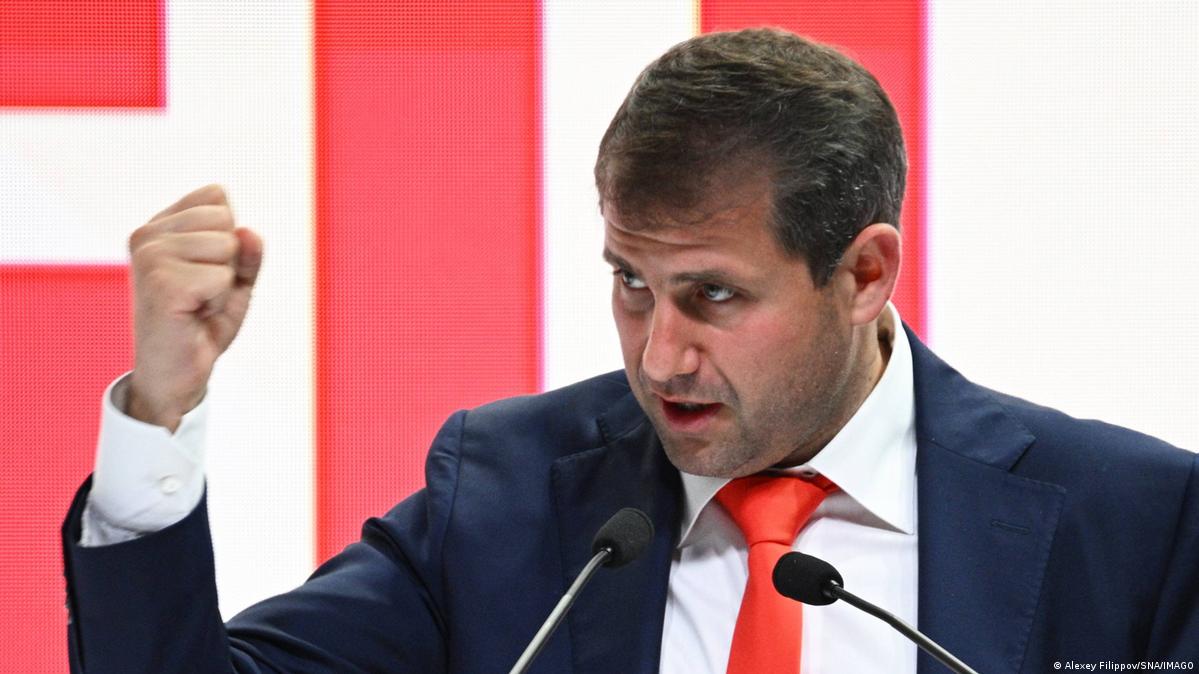
The banknotes issued by A7, a company launched by the Russian bank Promsvyazbank and oligarch Ilan Shor from the Republic of Moldova, help Moscow bypass Western sanctions, after the banks were disconnected from the Swift system.
A series of internal documents of A7, recently posted on the internet after a cyber attack, reveal how the network set up to bypass Western sanctions works, notes Digi24. A7 has replaced numerous online payment systems and has carried out transactions worth 7.5 trillion rubles (equivalent to about 98 billion dollars) in just the first six months since its establishment.
By December of last year, A7 reported that it manages almost 19% of the total volume of foreign trade operations of companies in Russia. The figures are hard to verify, but they seem plausible, according to experts.
Despite being sanctioned by the EU, the UK, and the US last year, A7 has opened new branches in at least two African countries and has committed to expanding its operations in every major city in Russia. President Putin attended the opening ceremony of an A7 entity in the city of Vladivostok via video conference.
Transactions with cryptocurrencies and “cash currency” that mimic banknotes decorated with stylized images of skyscrapers in Russia can cost up to 5000 dollars and are promoted on Telegram channels as a service for Russian tourists.
Those who hold A7 banknotes can exchange them for rubles at the company’s representatives in Russia or for foreign currency in other countries. Abroad, the banknote holder must scratch off a silver foil to reveal a QR code that must be sent by message to a Telegram bot.
The banknotes can also be exchanged for virtual currencies issued by A7 and Promsvyazbank. The blockchain analysis company Elliptic estimates that 2300 banknotes have been exchanged so far for A7A5 tokens, with a total value of 8.6 million dollars.
The blockchain analysis group TRM Labs discovered cryptocurrency transactions worth 56 billion dollars from wallets associated with A7 and “additional flows transferred through intermediary wallets, most likely associated with phantom companies of A7 or foreign trade partners from places like China, Southeast Asia or South Africa”.
Russian advertisements promoting A7 services claim that transactions to China take less than four hours.
A7A5 became, in October of last year, the first type of token officially recognized as a “digital financial asset” by the Central Bank of Russia, which legalizes its use in foreign trade. The company associated with Shor plans to expand its operations in another 20 countries, including Latin America, in the next two years.


