
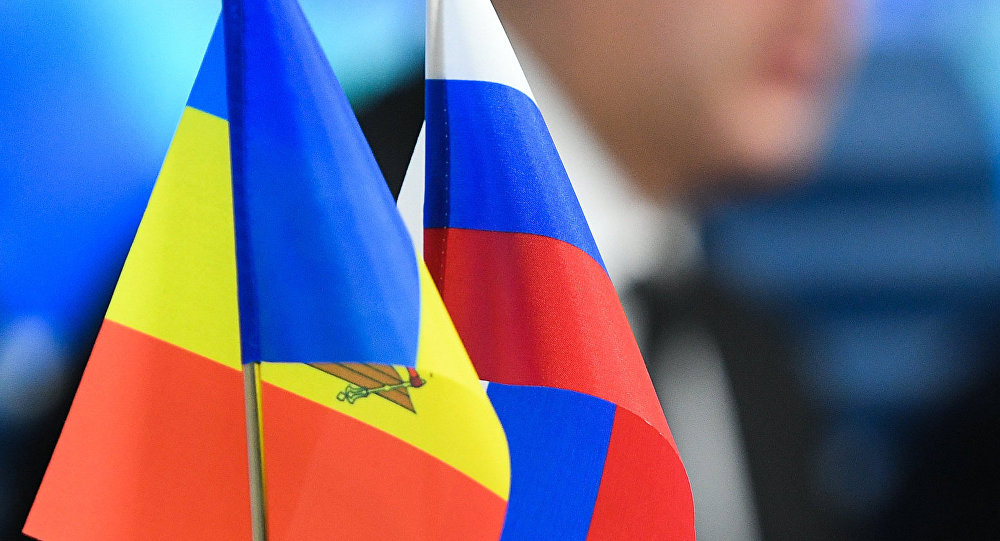
Russia uses Moldova to test hybrid warfare methods used against the EU and to undermine the country’s pro-European course, according to an analysis published by NYT. The Kremlin is accused of cyber attacks, destabilization attempts, and disinformation actions.
Journalists also refer to Șor’s network and the bribery schemes through Promsveazbank in Russia, aimed at persuading voters not to support the referendum on European integration.
Furthermore, the authors of the analysis refer to the involvement of priests in destabilization actions, as well as the organization of training camps in Russia, Serbia, Bosnia and Herzegovina.
According to the publication, through these actions, exploiting poverty, religion, corruption, and linguistic divisions, attacks on energy infrastructure, Moscow is trying to regain influence over Moldova, and the country remains vulnerable to external threats.
“Publicly, Russian officials have denied interfering in the internal affairs of Moldova and have rejected accusations that Moscow is trying to undermine the West. In December last year, Putin, in a speech addressed to military commanders, criticized European leaders for “fueling hysteria” about the threat from Russia.
Shortly after that, however, he gathered the leaders for a secret conference, to convey the exact opposite message. According to officials from two countries, who know about this episode, Putin’s goal for 2026 is “the collapse of NATO and the EU from within”“, it is stated in the NYT investigation.
According to the material, the second objective of the Russians is to take control over Moldova, as the country is strategically located between NATO members and Ukraine, and the first – to occupy the neighboring country, which has been at war for four years, writes realitatea.md.
“Moldova would be an ideal bridgehead for Russia, for further aggressions either against Ukraine or against the West, officials said, adding that Putin still hopes to conquer a region in southern Ukraine, to create land links that would connect Russia to Moldova,” writes NYT.
Journalists have discussed with prosecutors who investigated interference in the Moldovan elections and found out about approximately 1000 people recruited for mass disorder and destabilization, who were prepared for action during the election period and were trained in Serbia. Participants in those courses would have been remunerated with about 400 dollars.
The investigation further suggests that priests would have received about 1000 dollars from Ilan Șor to promote the boycott or rejection of the pro-Western policies of the government.
According to the publication, although the authorities have thwarted the plans for election interference, for the Kremlin the situation was not a failure, because Chisinau had to spend too many human and financial resources for this purpose, and the actions of the law enforcement were used to launch propagandistic narratives, being presented as political repression.