





Russia and China opposed on Tuesday, April 7, by veto in the UN Security Council to a resolution that called for the unblocking of the Strait of Hormuz and encouraged the military escort of commercial ships passing through this corridor essential for oil and gas trade.
The text of the resolution, presented by Saudi Arabia, Bahrain, the United Arab Emirates, Jordan, Kuwait, and Qatar, calls for “coordination of defensive and proportional measures to the circumstances” currently, including the escorting of commercial ships and the cessation of Iranian attacks on them.
China and Russia, permanent members with veto rights in the UN Security Council, voted against the resolution, which received 11 votes in favor and two abstentions.
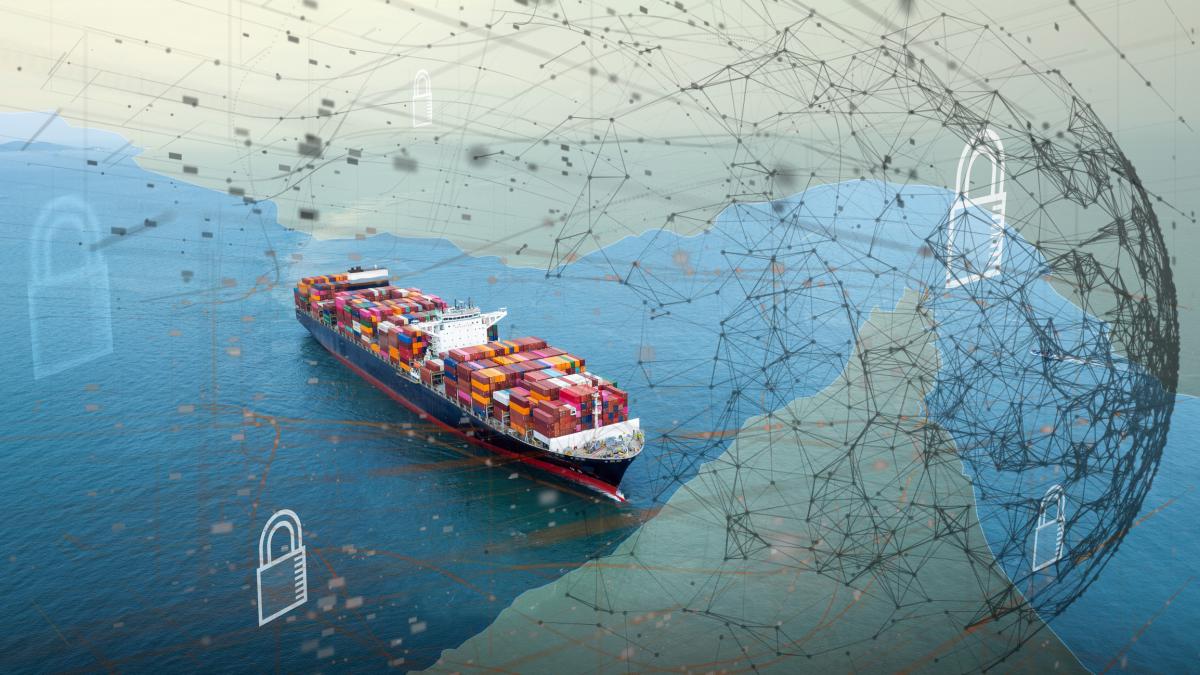
As reprisals following the war initiated by the USA and Israel, Iran now only allows the selective passage of ships through the Strait of Hormuz, a corridor through which approximately 20% of the world’s oil is transported.
The blockade of the Strait of Hormuz, which occurred following the Israeli-American strikes on Iran on February 28, has almost completely disrupted transit through one of the world’s most important energy routes, through which normally passes a fifth of the global production of oil and liquefied natural gas. The situation has led to a sharp increase in hydrocarbon prices, with global economic effects.
Chain effects on global energy
The impact is not limited to oil. Prices for liquefied natural gas have significantly increased in Asia, and the costs of aviation fuel and some resources such as helium are also on the rise.
In the absence of a quick solution, these developments could fuel global inflation and slow economic growth.
Details, HERE


