



The European Commission is preparing a legislative proposal aimed at completely banning the import of Russian oil into the European Union, but the document will be officially presented only on April 15, three days after the legislative elections in Hungary. The decision was reportedly taken to prevent Hungarian Prime Minister Viktor Orbán from exploiting the issue in the election.
Two European officials have stated that the timing of the presentation was deliberately chosen so that the ban on Russian oil would not become a central theme in the Hungarian election campaign, a country heavily dependent on Russian oil imports, according to a report published by Reuters. Budapest is currently, along with Slovakia, in a dispute with Ukraine, accusing it of blocking the flow of Russian oil through the Drujba pipeline.
The proposal, scheduled after the elections
The date of April 15 appears in an internal document of the European Commission, consulted by Reuters. A spokesperson for the Commission stated that the agenda is provisional, but the European Commissioner for Energy, Dan Jorgensen, confirmed Brussels’ intention to ban Russian oil imports by the end of 2027 at the latest.
The legislative elections in Hungary are scheduled for April 12, and the main confrontation will take place between opposition leader Peter Magyar, supported by Brussels, and Prime Minister Viktor Orbán, who is in open conflict with European institutions due to his positions on Ukraine, anti-LGBT policies, migration, and NGOs.
The energy context and political blockages
After Russia’s invasion of Ukraine, the EU significantly reduced energy imports from Russia and has already banned Russian oil transported by sea. However, an exception was maintained for pipeline deliveries, especially for Hungary and Slovakia, countries without sea access.
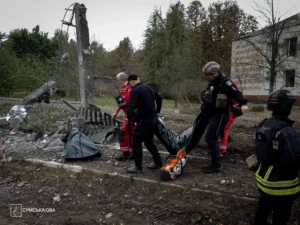
Currently, the two countries are using strategic oil reserves, after the flow through the Drujba pipeline was stopped on January 27, following an attack attributed by Ukraine to Russia. Hungarian Prime Minister Viktor Orbán and his Slovak counterpart, Robert Fico, claim that repairs have been completed, but accuse Ukraine of “political blackmail”.
Details, HERE