
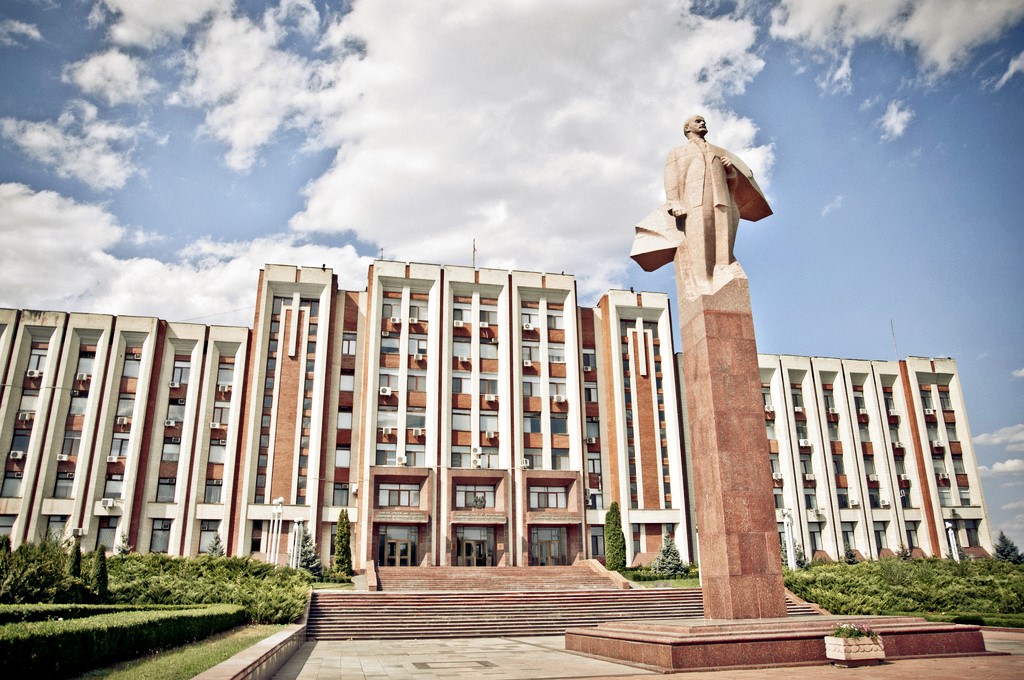
In 2025, the Transnistrian region received 6.3 million euros in non-repayable financial aid from donors. Among these are the European Union, as well as the governments of Sweden, the United Kingdom, and Germany. These data are presented in the report of the so-called Ministry of Economy of the region on the activity in 2025, published at the beginning of April.
Usually, European funds are directed towards specific projects and are managed by non-governmental organizations that implement the programs at the local level, writes realitatea.md, referring to the publication Zona de Securitate. The funds remain in the accounts of these organizations and are used exclusively for the implementation of the projects.
The alleged authorities have no direct connection with the management of these funds, although the information about them was included in the report.
One of the largest European assistance programs implemented in the Transnistrian region is the EU Confidence Building Measures. The program is funded by the European Union and implemented by the United Nations Development Programme (UNDP) since 2009. As part of it, schools, kindergartens, medical institutions, and cultural houses have been renovated, projects in tourism, agriculture, and creative industries have been supported, as well as cultural, educational, and media initiatives. Among the works carried out with the funds granted within the initiative, the restoration of the Tighina fortress is also included.
The program also funds other cultural heritage conservation projects on both banks of the Dniester. Among these are the restoration of the rock monastery in Țîpova, the bell tower in Vadul lui Rașcov, the ruins of the Great Synagogue in Bașcov, as well as the facade of the former Savings Bank and Treasury building from the interwar period in Tighina (Bender). The estimated budget for each of these objectives is approximately 72,000 euros.
Another initiative is EU4Trade / Ready4Trade, a program aimed at developing exports and supporting small and medium-sized enterprises. It is funded with the participation of the EU, the United Kingdom, and Sweden, and is implemented for entrepreneurs on both banks of the Dniester. Since 2020, within the program, 66 entrepreneurs have received financial support for launching or developing their businesses.
The European aid also includes humanitarian and energy programs. For example, in February 2025, the European Union provided support for maintaining the energy supply of the region after the gas crisis. Initially, the EU paid approximately 20 million euros for gas deliveries that ensured the region between February 1-10. Subsequently, the European Union proposed allocating another 60 million euros, but the authorities in Tiraspol did not respond to this proposal.
Even if the funding comes through international organizations and NGOs, the projects must be approved by the separatist administration structures.