






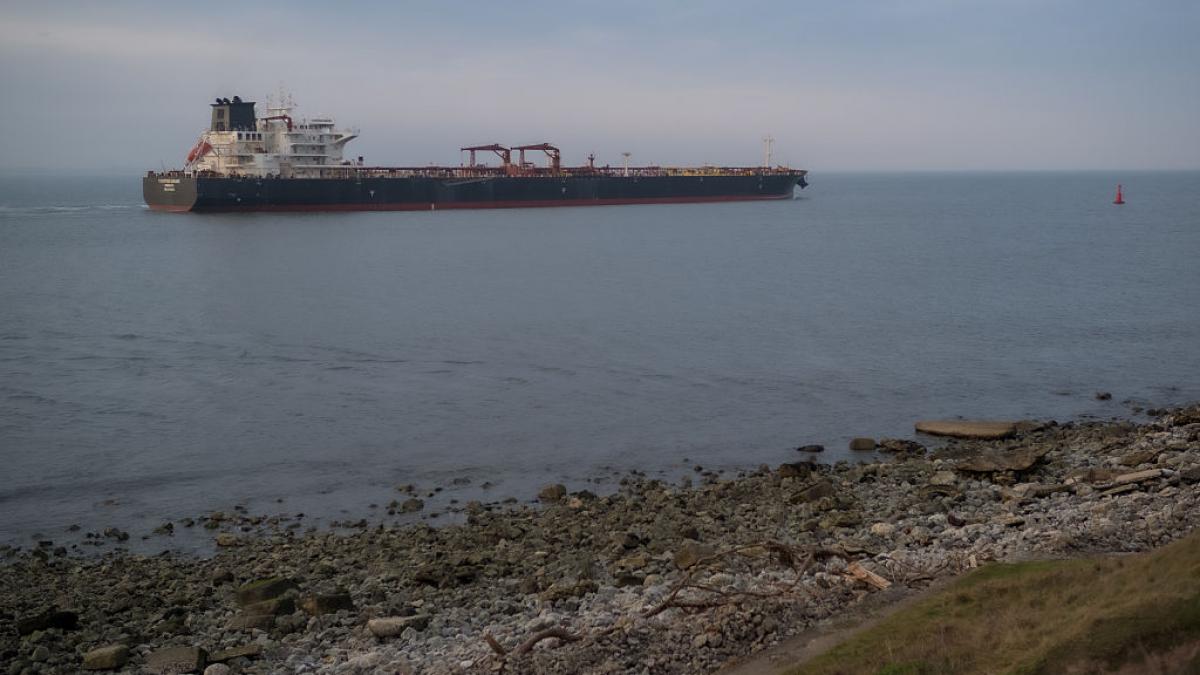
The global economy is currently going through what could become the most severe energy crisis since the 1970s, due to the closure of the Strait of Hormuz and the reduction of oil transport produced in the Middle East, as a result of the war in Iran, writes The Wall Street Journal (WSJ), as relayed by The Moscow Times.
However, the WSJ publication specifies that the USA will not suffer as much as it did over 50 years ago, when Arab countries imposed an oil embargo against countries that supported Israel in the former Yom Kippur war, triggered in 1973. Currently, the United States is now the world’s largest oil producer and, in addition, several developing countries in Asia, do not have a quick substitute to cover the shortages caused by the reduction of oil flow from the Middle East.
Thus, if exports cannot be resumed by Friday, the average daily production in the Middle East could decrease by over 4 million barrels, according to JPMorgan Chase.
If the situation continues like this until the end of March, production could decrease by up to 9 million barrels – the equivalent of almost 10% of global consumption.
“Throughout the history of the Strait of Hormuz, it has never been closed, not even once,” stated Natasha Kaneva from JPMorgan.
Iraq was the first country in the Gulf region to reduce production due to a lack of oil storage capacity.


