




Never in the recent history of the United States has there been such a pronounced rupture between the position of a president and public opinion on a major foreign policy issue. Americans do not want military involvement in other conflicts, and Trump says the same. However, the differences arise where it matters most: in how each sees the end of the war in Ukraine and its long-term consequences, writes The Hill.
For Trump, the war seems just another crisis in which he can play the role of the providential negotiator. A “humanitarian” halt to hostilities, regardless of the costs to Ukrainians, would cement his ambitions: to go down in history as a Nobel Peace Prize laureate, alongside Theodore Roosevelt or Henry Kissinger.
For the American public, however, things are simpler. They know Vladimir Putin well enough to understand that he is one of the most dangerous leaders of the modern world, a product of the KGB who has turned nostalgia for the USSR into a platform for military aggression – from Chechnya to Ukraine.
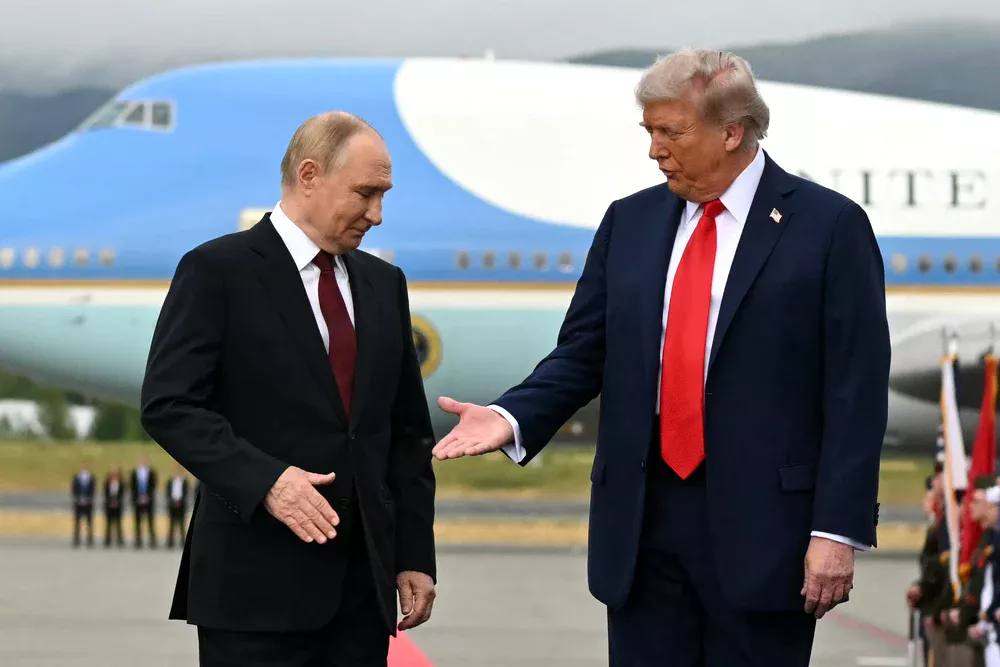
This dissonance does not impress Trump. He has repeatedly described Putin as “strong” and “brilliant”, and in Alaska he treated him with the deference reserved for a conquering leader. The contrast with how he received Volodymyr Zelensky at the White House in February is hard to ignore.
And the official negotiations go in the same direction. Trump’s special envoy, businessman Steve Witkoff, executes the American leader’s line without deviation.
The plan proposed to Ukraine is essentially a gift to the Kremlin: the cession of Crimea, a large part of eastern Ukraine, plus the renunciation of the territories in Donbas that Russia failed to occupy. In the package, Kiev would have to reduce its army and definitively give up the aspiration to join NATO.
Read more HERE


