







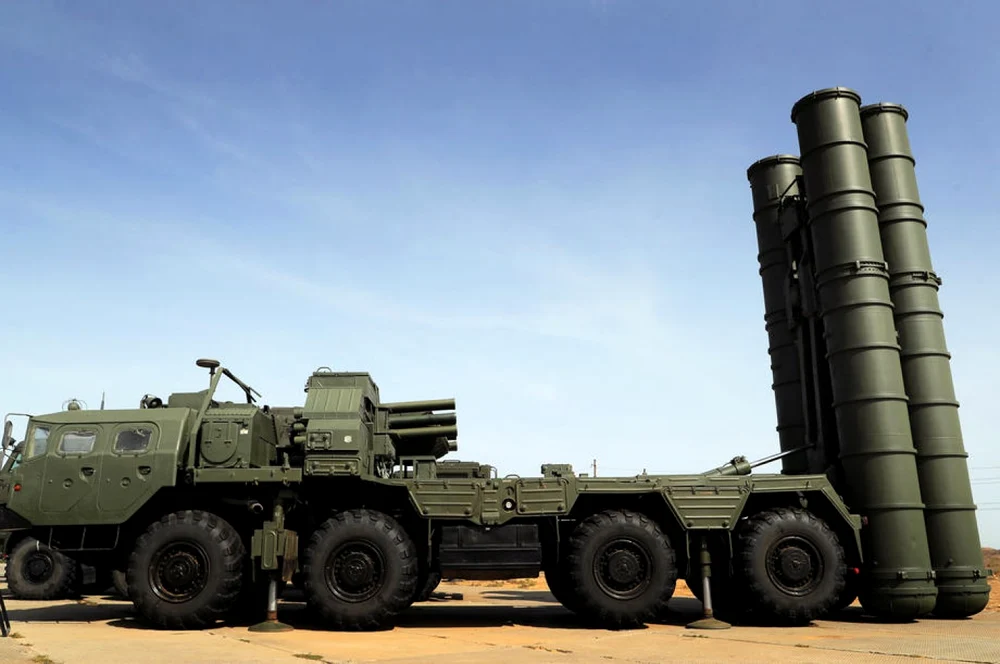
The war triggered by Russia in Ukraine not only tested the Kremlin’s military capabilities but also refined them. And one of the most serious problems for NATO, in the event of a direct conflict in Europe, could be Moscow’s anti-aircraft shield.
A new report signed by Justin Bronk, an air power expert at the prestigious Royal United Services Institute (RUSI), warns that Russian ground-to-air systems not only remain numerous, but are also more efficient than before 2022.
Russia lost systems, but gained experience
It’s true: Ukraine managed to destroy a significant number of Russian anti-aircraft defense systems using drones, artillery, and missiles. However, according to Bronk, Russia still has “several hundred operational batteries”, while modernized versions continue to roll off the production lines.
Moreover, four years of war have brought an essential advantage: combat experience.
“Russian forces are much more experienced and have learned a lot through testing and experimentation”, the analyst stated. Both pilots and ground-to-air system operators are “significantly more capable” than before the large-scale invasion.
Among the upgrades are software updates for radars, increased resistance to electronic warfare, and the integration of new systems, such as the S-350 Vityaz, which entered service in 2020.
Details, HERE


