




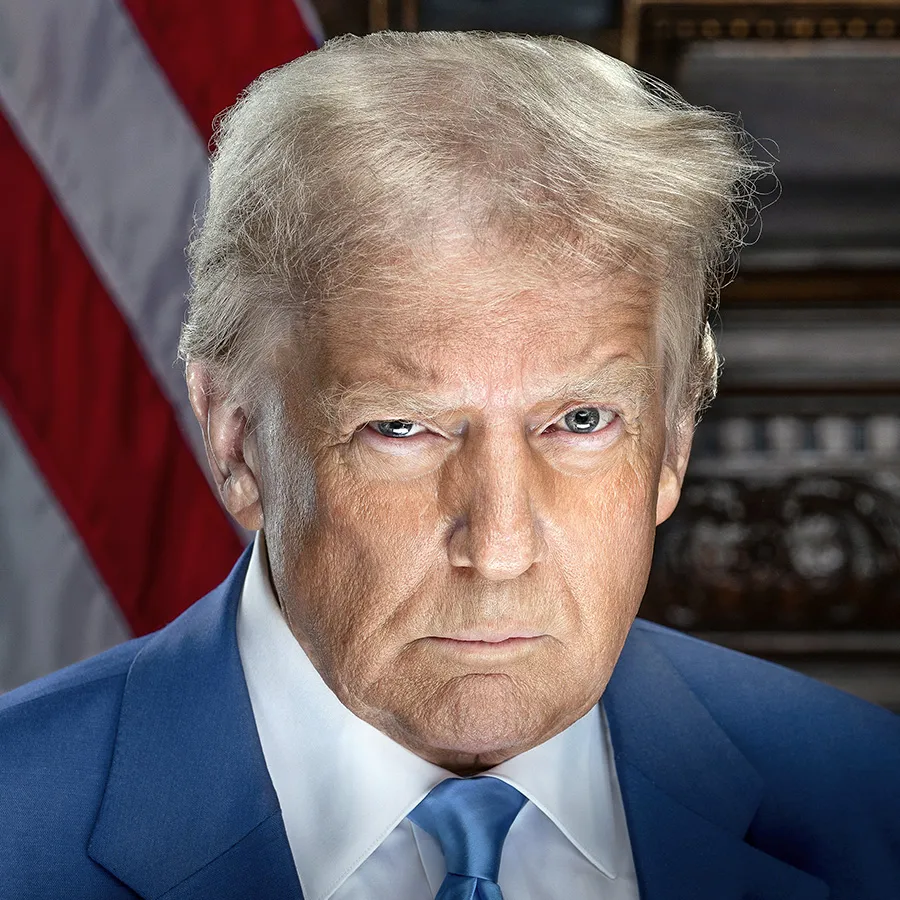
The gamble on an extreme ultimatum led to a fragile armistice with Iran, simultaneously drawing intense criticism from across the US political spectrum, as well as heated debates about the credibility, morality, and decision-making capacity of the American president Donald Trump, according to a Washington Post analysis.
During the presidential campaign of 2024, Trump privately discussed his favorite negotiating tactics. At a fundraising event in New York in May, he recounted how he would discourage aggression from China or Russia by threatening to bomb Beijing or Moscow. “He thought I was crazy,” Trump said about the reaction of Chinese leader Xi Jinping. “He only believed me 10%. But 10 percent is all you need.”
Although it was not confirmed by Russian or Chinese officials, the story is revealing for the extent to which Trump relies on unpredictability and threats of catastrophic escalation to gain an advantage over foreign adversaries – a modern version of Richard Nixon’s “madman theory”. As president, his provocative actions included the threat to withdraw the US from NATO in 2018, the dramatic increase in customs tariffs in 2025, and the attempt to buy Greenland earlier this year.
The tactic was put to the test in the riskiest bet so far: Tuesday’s ultimatum to Iran, stating that “an entire civilization will die tonight”, which resulted in a two-week armistice with Iran and assurances from Iranian leaders that they will allow oil tankers to pass through the Strait of Hormuz. Supporters hailed the outcome as a validation of Trump’s signature strategy.
“President Trump is doing what he does,” commented Andrew Kolvet, host of The Charlie Kirk Show, on Tuesday. “This is why he is the elected president. I believe he is lucid and in control of the situation.”
However, the rhetoric of the American president, including the threat to destroy “an entire civilization,” has attracted widespread condemnation and has generated fears of potential nuclear attacks, after Trump threatened to destroy civilian infrastructure, which would violate the laws of war.
Read more HERE