




In Russia’s official statements regarding the most recent round of peace negotiations in Abu Dhabi, a new phrase, “The Anchorage Formula,” has taken a prominent role in Moscow’s public stance, reports CNN.
“The territorial issue, which is part of the ‘Anchorage Formula’, naturally, has a special significance for the Russian side,” said Kremlin spokesperson Dmitry Peskov on Monday, adding: “Our negotiators continue to defend our position.”
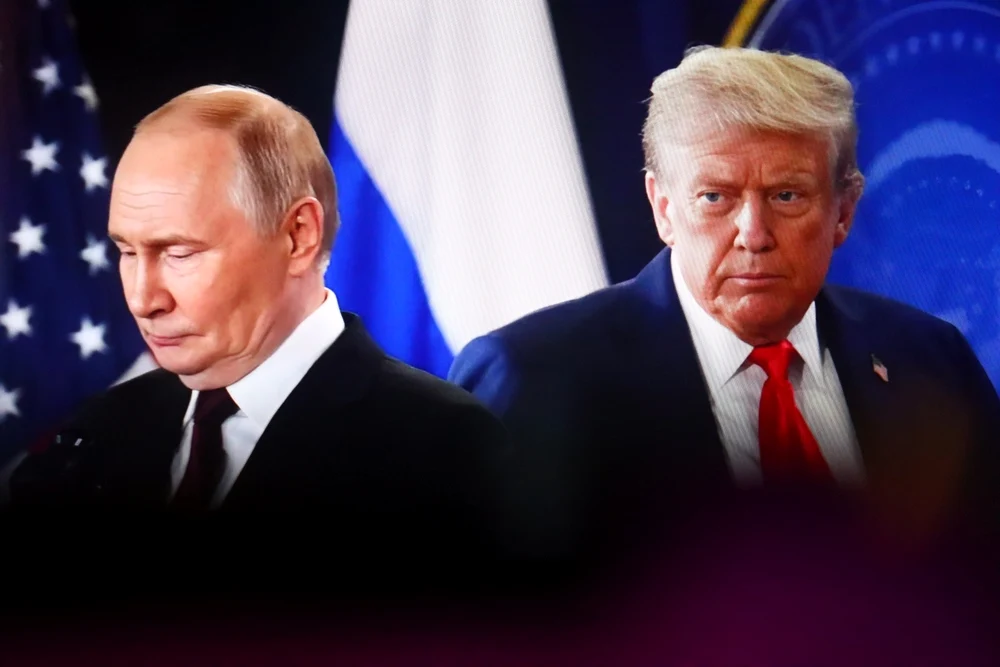
In a comment made two days earlier, Russia’s Deputy Foreign Minister, Sergey Ryabkov, referred to the bilateral summit in Alaska last August, stating that Moscow wants a peace agreement “that fully corresponds to the fundamental agreements reached by the presidents of Russia and the USA during their meeting in Anchorage.”
However, these statements seem to omit an essential aspect: that summit Russia so insistently refers to did not actually lead to any kind of concrete “agreements.” So far, this supposed “Anchorage Formula” has only been brought up by Russia. President Donald Trump was very clear, while sitting next to Vladimir Putin, following their talks in August, in Alaska, that “there is no deal until there is one.”
In fact, that summit initially seemed to have turned against Russia, with Trump becoming increasingly frustrated by Moscow’s intransigence. Just a few days later, he posted on Truth Social what appeared to be an argument in favor of attacking targets in Russia.
“It is very difficult, if not impossible, to win a war without attacking the country of an invader,” he wrote.
Subsequently, it emerged that Trump had amplified the exchange of information with Ukraine, to help it strike Russian energy sites. Then, at the end of October, when plans for a second bilateral summit were abandoned, the White House imposed sanctions on Russia’s largest oil giants, Lukoil and Rosneft, a major step that the Biden administration had been hesitant about.
Details, HERE


