

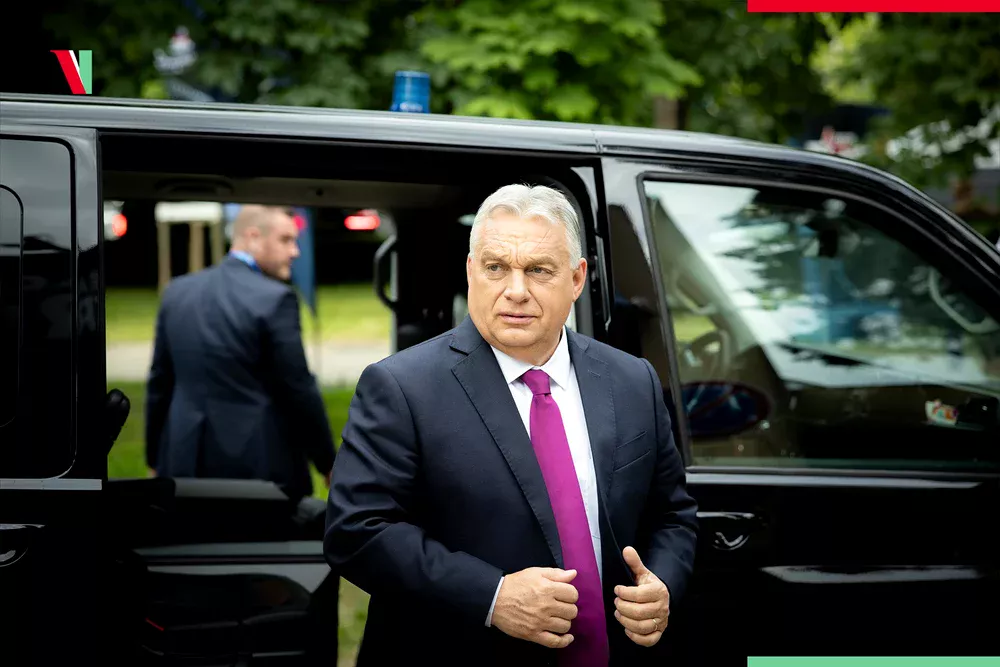
Following the electoral defeat of the incumbent Hungarian Prime Minister Viktor Orbán, the publication Politico analyzes which European leaders could take on the role of “disruptors” within the European Union, particularly in terms of political blockages and critical positions towards Brussels.
In an article titled “Orbán has dropped out of the race: who will be the next underminer of the EU?”, Politico notes that, although the change of power in Hungary could facilitate decision-making at the EU level, there are still leaders capable of continuing policies of obstruction, including in sensitive cases such as support for Ukraine.
Among those mentioned is the Slovak Prime Minister Robert Fico, described as one of Orban’s closest allies.
“He has long positioned himself as an ally of Orban, opposing anti-Russian sanctions, demanding that Bratislava be excluded from a European loan for Kiev, and threatening with a veto,” writes the publication.
However, a European diplomat emphasizes that Fico is aware of the risks of such an approach.
Also on the list is the former Czech Prime Minister Andrej Babiš, who has repeatedly criticized the EU’s support for Ukraine and the Union’s climate policies.
The analyses show, however, that Babiš would rather act selectively than through systematic blockages, noting that he did not stop the Czech initiative to deliver ammunition to Ukraine.
Giorgia Meloni, between compromise and influence
Italian Prime Minister Giorgia Meloni is presented as a potential ideological ally of Orbán, but with a different style of action.
“Instead of direct blockades, she often acts through negotiations and compromises,” the publication notes, adding that Meloni has collaborated with other European leaders, such as Mette Frederiksen, to tighten the rules on migration in the EU.
Janez Janša, a controversial figure from Slovenia
Another name mentioned is the former Slovenian Prime Minister Janez Janša, known for his harsh rhetoric and closeness to the former American President Donald Trump.
The cited source notes, however, that Janša supports Ukraine, and in the electoral context it remains unclear whether he will return to the government leadership or whether the current Prime Minister Robert Golob will manage to form a new coalition.
Read more HERE