






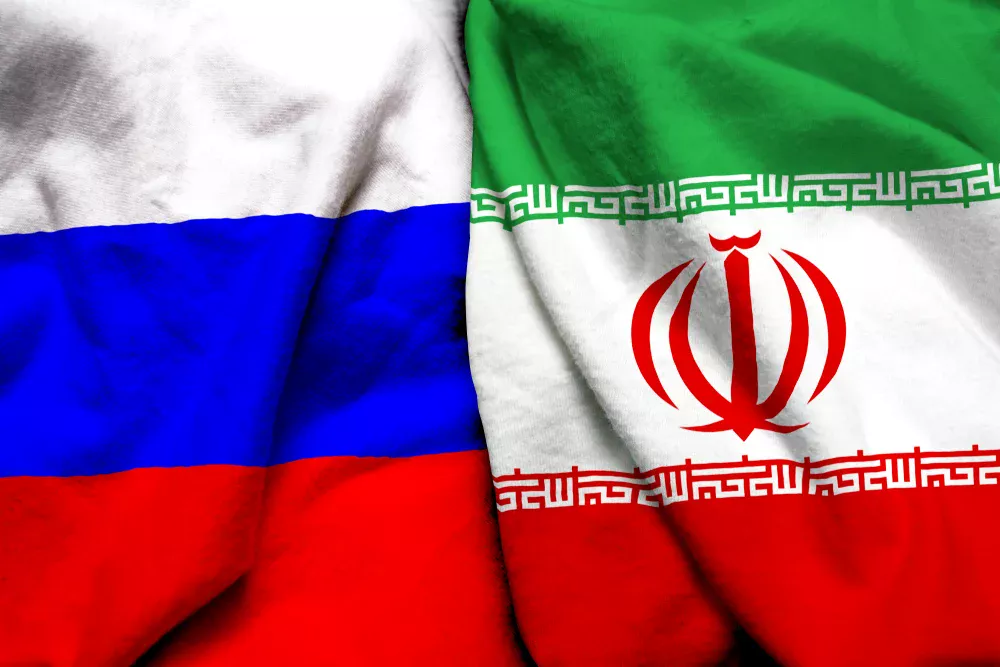
The failure of negotiations between the United States and Iran regarding Tehran’s nuclear program, and the devastating attack that led to the decapitation of Tehran’s leadership, brings back to the forefront the risk of a new conflict in the Middle East. For Russia, the developments could have direct strategic consequences, say Russian analysts quoted by the tabloid Pravda.
The United States has demanded the complete dismantling of key nuclear facilities, including those in Fordo, Natanz, and Isfahan, as well as the transfer of enriched uranium stocks under international control. Also, Washington insisted that Iran permanently limit the level of enrichment to civilian thresholds and halt the development of advanced centrifuges.
Tehran has indicated a willingness to discuss limiting the level of enrichment, but has rejected a total halt of activities on its territory and any restrictions on its ballistic program, which it considers essential for national security.
For the Iranian leadership, the nuclear program is one of the few negotiating tools in relation to the West. A possible total surrender could have internal political consequences, affecting the balance between reformist factions and conservative structures, including the Islamic Revolutionary Guard, say Russian analysts.
The Stake for Moscow
For Russia, maintaining a stable and independent Iran has a strategic dimension. Iran represents a key player in the southern neighborhood of the post-Soviet space. A possible regime change in Tehran or a prolonged period of instability could create an arc of insecurity near the Caucasus and Central Asia.
In addition, the Caspian Sea could gain new military importance in the event of an expansion of Western influence in the region, a prospect viewed with concern in Moscow.
Economically, the “North-South” transport route, which links Russia to the Indian Ocean through Iran, has become more important in the context of Western sanctions. Without access to this route, Moscow’s trade options could be limited, as other sea routes are vulnerable to restrictions.
Details, HERE


