
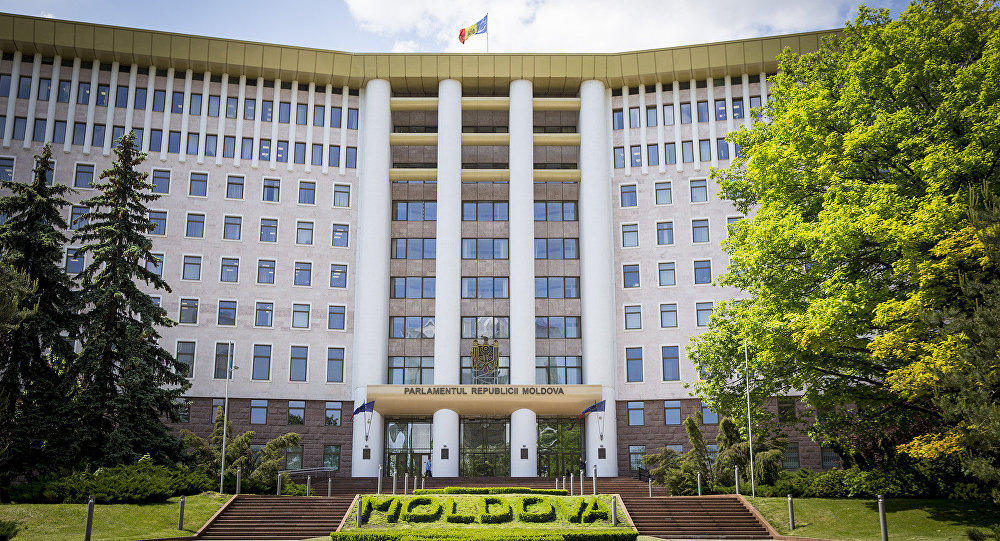
The candidacies of Ukraine and Moldova for EU membership have so far evolved in parallel, but a report from the International Monetary Fund (IMF), published on September 8, has separated Kiev from Chisinau and included Moldova in the same category as the countries of the Western Balkans, several of which are more advanced in the accession process, according to kyivindependent.com.
Moldova and Ukraine had their EU accession applications treated together when they opened the six so-called negotiation clusters, that is, lists of reforms that the countries must implement to align with EU standards.
So far, each of the two countries has only opened two clusters, regarding the rule of law and foreign relations, but there are signs that Moldova is beginning to advance at a faster pace.
The Managing Director of the IMF, Kristalina Georgieva, stated that the decision to include Moldova in the same category as the Western Balkan countries was based on the fact that they “have very similar characteristics.”
The IMF report, however, mentions the “much larger size of Ukraine and the ongoing military conflict” as reasons for its exclusion from the group.
The report aims to answer questions regarding the potential benefits that EU accession would bring to candidate countries, as well as to the European Union as a whole.
“We acknowledge the importance of continuing engagement, especially with other countries that wish to join, particularly Ukraine,” Georgieva stated at the report’s launch event, organized by the Center for European Policy Studies (CEPS), a think tank based in Brussels.
Moldova, “the best performer” in accession negotiations
The European Commissioner for Enlargement, Marta Kos, has already highlighted Moldova in July as the “best performer” in accession negotiations.
In the meantime, the Ukrainian Parliament has encountered difficulties in advancing the reforms requested by the EU and IMF.
Details, HERE