






The closure of the Hormuz Strait puts pressure on regional economies, as resentments over the conflict triggered by the US and Israel grow, writes The Guardian.
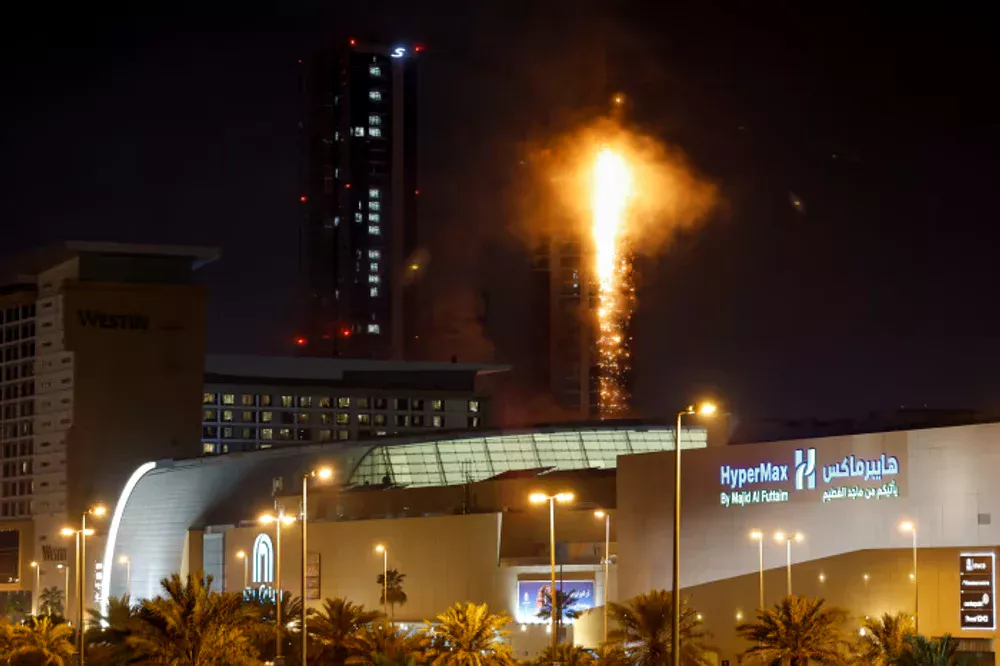
An eerie silence dominates the industrial port of Ras Al Khaimah. Usually a thriving maritime center of the United Arab Emirates, now the ships sit anchored and silent. On the horizon, visible through the fog, hundreds of oil tankers wait, stopped on one of the most dangerous maritime routes for commercial transport: the Strait of Hormuz. Just over 20 nautical miles from Ras Al Khaimah, two oil tankers heading for the strait were hit by Iranian missiles this week, one catching fire.
On Saturday, Fujairah, the main oil port of the Emirates on the east coast, was the target of a drone attack, and thick, black smoke was seen coming out of the terminal.
These are just some of the consequences faced by the Gulf states, drawn deeper into a war they did not provoke and have diplomatically tried to prevent. For decades, Bahrain, Kuwait, Saudi Arabia, the United Arab Emirates, Qatar, and Oman have allowed the placement of American military bases on their territory and have been among the largest buyers of American weapons and technology. In return, the US has been considered the closest and most significant military partner and protector of the region.
However, now, analysts warn, the relationship raises more and more questions, after Donald Trump was perceived as sabotaging peaceful diplomatic negotiations to trigger a war in the Middle East.
The message for the US and Israel
“The perceived threat of Iran on the Gulf only became a reality when the US declared war – Iran did not fire first,” says Khaled Almezaini, associate professor of politics and international relations at Zayed University in Abu Dhabi. “There is a strong condemnation of the Iranians, but at the same time the message for the Americans and Israelis is clear: a way must be found to end this war. It is not our war.”
Weeks before the attacks, Gulf leaders hosted negotiations and made repeated approaches to the US president, underlining the serious consequences for regional security if Iran were attacked. However, Trump decided to carry out the attacks, it is widely believed, without consulting or warning the Gulf allies.


