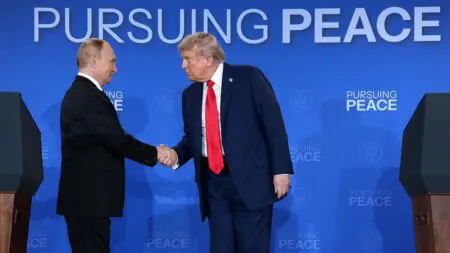


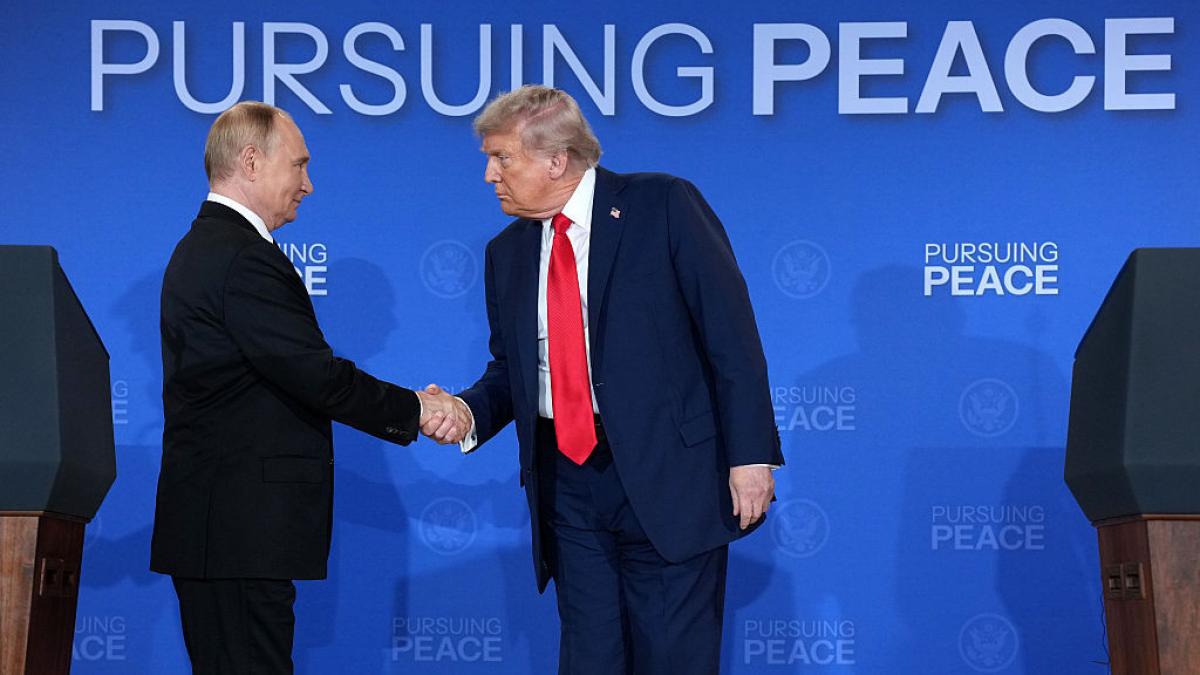
The world seems to be entering a new stage of international relations — one where the rules established after World War II are increasingly ignored, and major powers openly act according to their own strategic interests. At the center of this change are two dominant political figures: American President Donald Trump and the Kremlin leader, Vladimir Putin.
Italian analyst Daniele Stracquadanio, a researcher at the University of Trento, writes in The Moscow Times that Trump’s return to the White House has accelerated a major transformation in global politics. In Moscow’s view, this development confirms a long-anticipated fact: the end of the multilateralism era and the unreserved return of “great power” politics.
From international rules to the politics of force
In the new context, blatant violations of state sovereignty — such as the invasion of Ukraine — are no longer automatically treated as acts of international isolation. On the contrary, say some analysts, they risk becoming an increasingly accepted practice in 21st-century global politics.
Four years after the West firmly condemned the Russian offensive in Ukraine, the official American discourse is beginning to resemble Moscow’s rhetoric more and more. Secretary of State Marco Rubio recently justified the idea of preemptive strikes to avoid potential Iranian retaliation against Israel, while American Secretary of War, Pete Hegseth, stated that the United States did not start the conflict, but is trying to end it.
In parallel, calls for revolts against regimes considered “illegitimate” — whether it’s about “Iranian terrorists” or “Ukrainian neo-Nazis,” as Russian propaganda claims — have become rhetorical tools used by both sides.
Read more HERE