




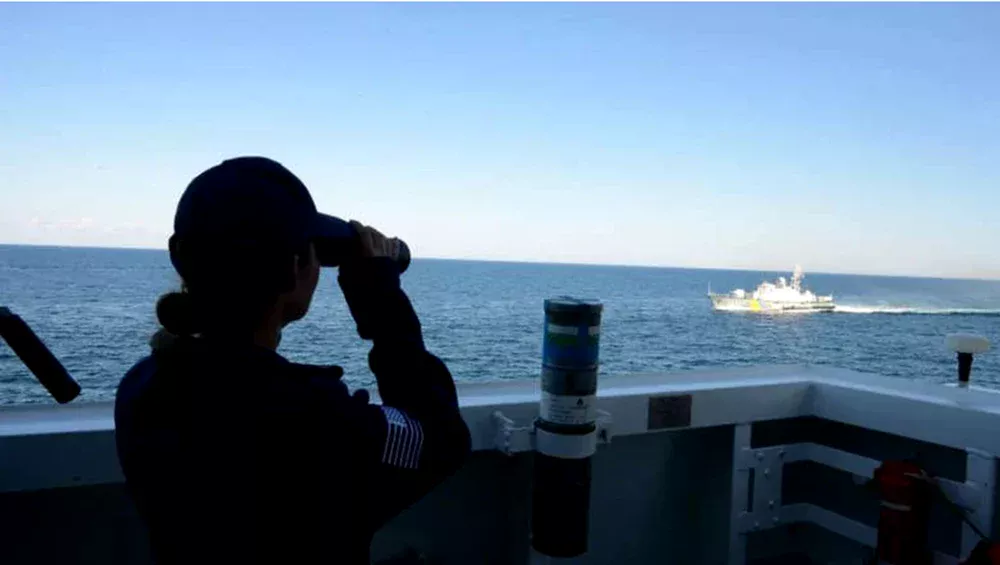
The West has failed in its mission in the Red Sea — defending the Strait of Hormuz will be even more difficult.
Western allies attempting to negotiate a deal to protect the Strait of Hormuz are facing a harsh reality: a similar mission in the Red Sea, launched years earlier, ultimately failed, writes Reuters.
The costly experience from the Red Sea — four sunken ships and over a billion dollars spent on armament — looms over an even more difficult situation in the Strait of Hormuz, a maritime transport artery through which approximately a fifth of the world’s reserves of oil and liquefied natural gas pass and which is now blocked by Iran, a more serious adversary than the Yemeni Houthis.
Threats from Iran and Tehran’s attacks on energy infrastructure in the Gulf have led to a dizzying rise in oil prices, against the backdrop of the largest disruption of oil and gas supply in history. If the Strait of Hormuz is not opened, the deficit will become even more acute, threatening to increase the prices of energy, food, and other goods worldwide.
“There is no alternative to the Strait of Hormuz. It is an international strait, both in accordance with international law and in reality,” said Nawaf Saud Al-Sabah, the CEO of Kuwait Petroleum.
On Tuesday, March 24, members of the UN Security Council discussed resolutions to protect the strait. Some countries, like Bahrain, have taken a firm stance that would authorize the use of “all necessary means” to protect the waterway – which could mean the use of force.
Details, HERE