

The year 2026 is shaping up to be a period of profound geopolitical uncertainty, marked by confrontations between major powers, the weakening of alliances, and systemic risks that are increasingly difficult to manage. This is the conclusion of international policy analyst Ian Bremmer, who identifies ten major risks that could reshape the global order, in an analysis published by TIME magazine.
According to Bremmer, the world is entering a stage reminiscent of the power struggle of the 19th century, in a context where common rules are weakening, and power relations are becoming dominant again. Although President Donald Trump’s policies have profoundly changed the global role of the United States, the US remains, he says, the most attractive major economy for investments and an actor impossible to ignore.
1. Deep political transformation in the United States
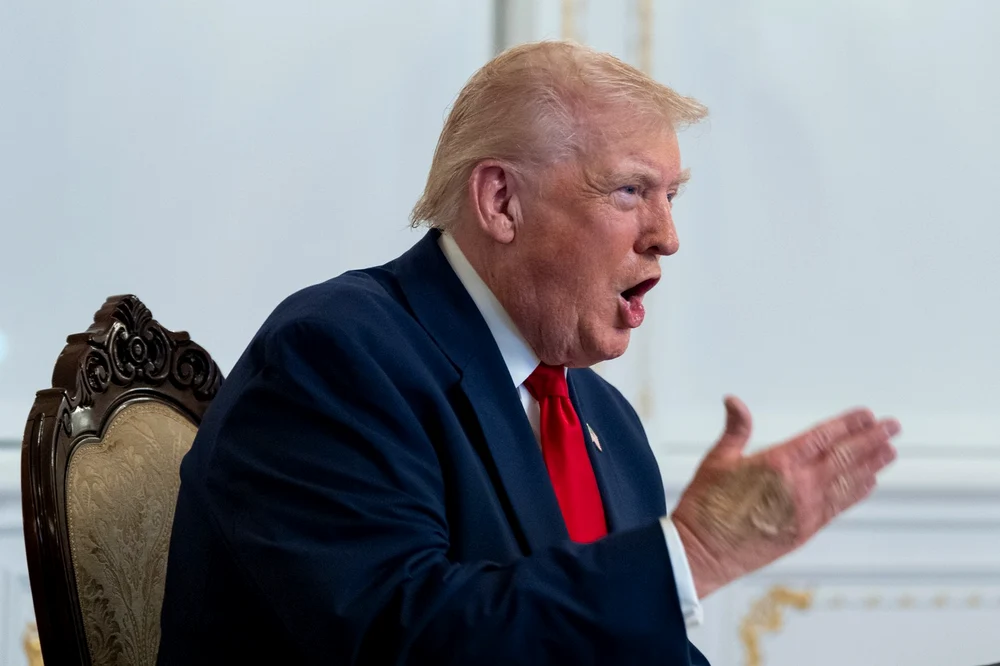
Bremmer warns that the US is undergoing a major structural change. President Trump is trying to reduce the control mechanisms of the executive power and to transform the state apparatus into a political instrument. Many of the institutional brakes that worked during his first term are now weaker, and the final shape of the American political system remains uncertain. Even if this process does not fully succeed, a return to the previous status quo seems unlikely, and the US could become the main source of global instability in 2026.
2. Economic confrontation between the US and China
The rivalry between Washington and Beijing will intensify around the key technologies of the 21st century, from artificial intelligence to electric vehicles and energy infrastructure. While the US is consolidating its position as a major oil producer, China is heavily investing in electric power and modern infrastructure. Bremmer argues that many emerging economies will be attracted by the cheaper and more future-oriented Chinese offer, which could shift the global geopolitical balance.
3. A new Trump doctrine
The Trump administration seems to reinterpret the Monroe Doctrine, trying to reaffirm its dominance in the Western Hemisphere. Venezuela is the central example, where American pressure led to the fall of the Maduro regime. However, Bremmer warns, stabilizing the country and avoiding regional side effects will prove much more difficult than the regime change itself.
4. Europe under pressure
France, Germany, and the United Kingdom enter 2026 with weakened governments and faced with internal and external pressures. Europe’s ability to manage an economic crisis, to compensate for the partial withdrawal of the US from the security field, and to continue supporting Ukraine could be seriously affected.
5. A second front for Russia
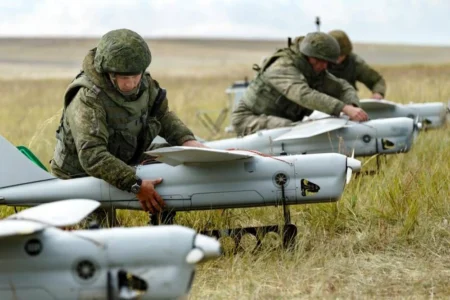
In addition to the war in Ukraine, Russia could intensify the confrontation with NATO in the gray zone: cyber attacks, drones, and intimidation actions. Bremmer anticipates that NATO will respond more firmly, increasing the risk of dangerous incidents on European territory.
6. American-style state capitalism
The economic policy of the Trump administration takes on features of state capitalism, with direct and selective interventions in the economy. Companies and even foreign governments are treated in a transactional logic, and this model could become a lasting precedent in American politics.
7. China’s deflationary trap
China risks entering a prolonged period of economic stagnation. Bremmer notes that Beijing prioritizes political control and technological advantage over stimulating domestic consumption, which could particularly affect young people and trade partners.
8. The risks of artificial intelligence
The pressure to quickly turn AI into a source of profit could lead to business models that undermine public trust and social stability. Unlike social networks, AI not only distributes information but shapes behaviors and perceptions, with effects that are still difficult to anticipate.
9. North American trade agreement in suspense
The USMCA agreement between the US, Canada, and Mexico risks remaining in a state of uncertainty, without it being clear whether it will be renewed or modified. This ambiguity will affect investments and regional trade.
10. Water, a geopolitical weapon
The lack of water is becoming a major factor of conflict. The suspension of treaties, the construction of dams without international agreements, and the use of water resources as a pressure tool increase the risk of future crises, even if in 2026 there will not necessarily be a major triggering conflict.