




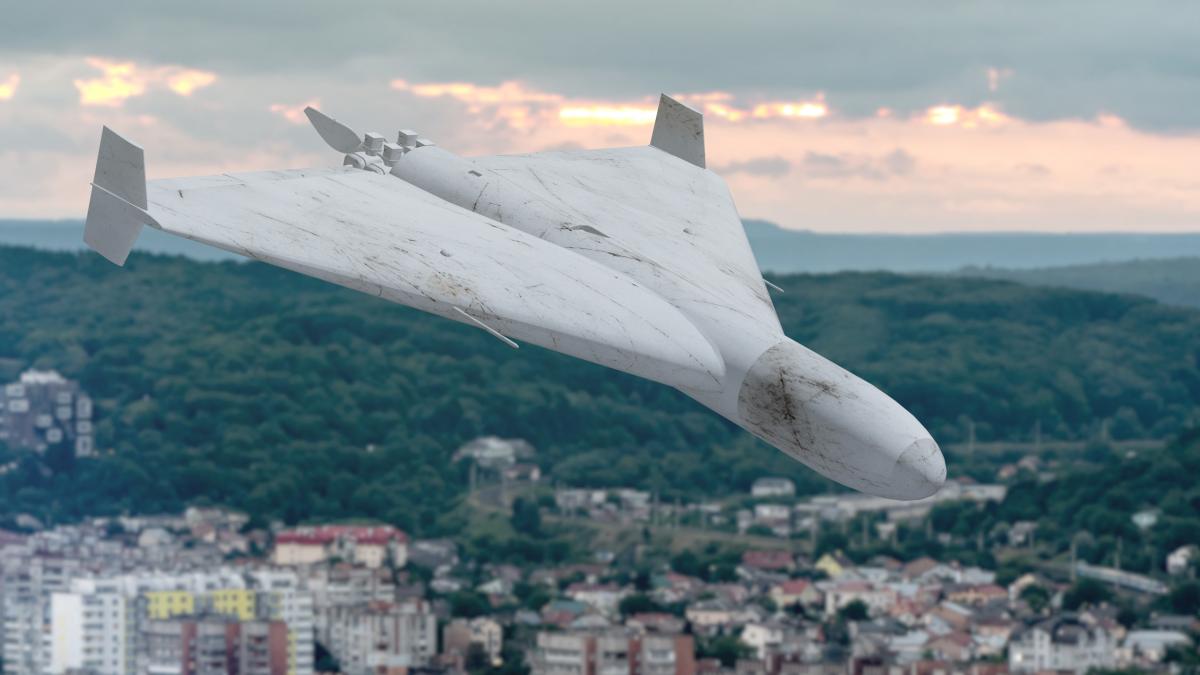
The US and its NATO allies are enhancing their ability to detect, track, and target drone threats along the alliance’s eastern borders. Through rapid 90-day testing cycles, designed to replicate real situations, American forces, Baltic allies, and defense companies are building a shared data network for faster decision-making. The plan thus becomes a shield against drones by connecting sensors that detect aerial threats with counter-drone systems that can destroy them, with the aim of improving defense against Russian-type drone attacks, including Shahed-type systems, according to Business Insider.
American and Estonian forces carried out the Digital Shield 2.0 exercise earlier this month, the second stage of an ongoing series of tests.
The exercise “actually originated from an initiative to integrate different types of sensors into an easily accessible and shareable integrated sensor architecture, or an aerial picture,” US Army Captain Micah Maule, a planning officer for the 10th Army’s Air Defense and Missile Defense Command, told Business Insider.
While the first Digital Shield demonstrated the concept, the second expanded the scale, adding more sensors to detect larger unmanned aerial systems, such as Shahed-type drones, and additional air defense and counter-UAS radars to clarify the picture of approaching threats.
Details, HERE