
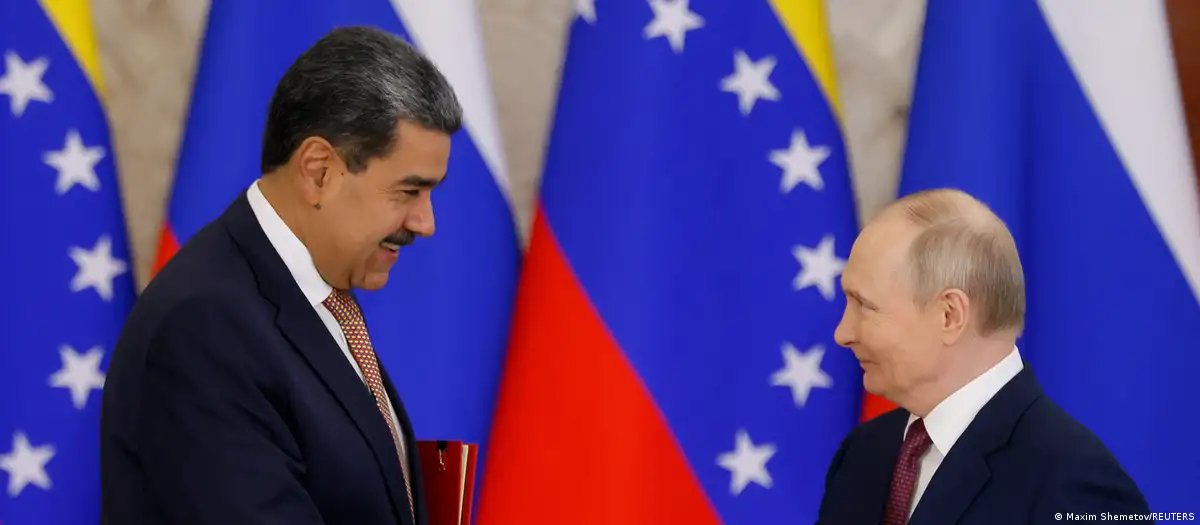
Vladimir Putin’s high-power project seems to be approaching the “end of an era”, as the Kremlin leader proves incapable of defending his allies, from Caracas to Tehran, against an unexpectedly aggressive American president, Donald Trump, writes Politico.
When he ordered the invasion of Ukraine, Putin promised the Russians that “they will do it again”: that the Russian army will advance to the West and achieve a quick victory, similar to the one the Soviet Union achieved against Nazi Germany. Nearly four years after the start of the conflict, the Russian president has only kept half of his promise.
The war which, in the Kremlin’s plans, was supposed to last no more than three days, has now extended beyond the 1,418 days in which the Soviets fought against the Nazi offensive in the Second World War. And the balance is far from justifying imperial ambitions: Moscow controls only a strip of Ukrainian territory, at the cost of about 1.1 million victims among the Russian forces and increasingly visible internal dysfunctions. This month, about 600,000 residents in the Russian region of Belgorod were left without electricity after a Ukrainian missile attack.
In parallel, the network of allies that Putin has built over two decades shows clear signs of disintegration, under increasing pressure from Washington. The Kremlin lost ground in the Middle East at the end of 2024, with the collapse of Bashar al-Assad’s regime in Syria, a key partner for Moscow in the region.
The image blow was followed, at the beginning of this month, by the capture of Venezuelan leader Nicolás Maduro by the United States, a faithful ally of the Kremlin, who participated last year in the Victory Day parade in Moscow. The humiliation was amplified by Russia’s inability to prevent the unprecedented seizure, by the Americans, of a tanker under the Russian flag.
The situation is equally delicate in the case of Iran. Just a year ago, Putin signed a 20-year strategic partnership agreement with Tehran. Today, the Iranian regime – which supplied Russia with Shahed drones used in the war in Ukraine – is facing massive protests, and Donald Trump has hinted that he might intervene militarily. According to expert Nikita Smagin, close to the Carnegie Endowment for International Peace, Moscow would have recently delivered to Iran Spartak armored vehicles and attack helicopters, but Russian support has clear limits.
“The Iranians are under no illusions. If the situation becomes critical, Russia will withdraw, as it did in the case of Bashar al-Assad”, explained Smagin.
Read more HERE