
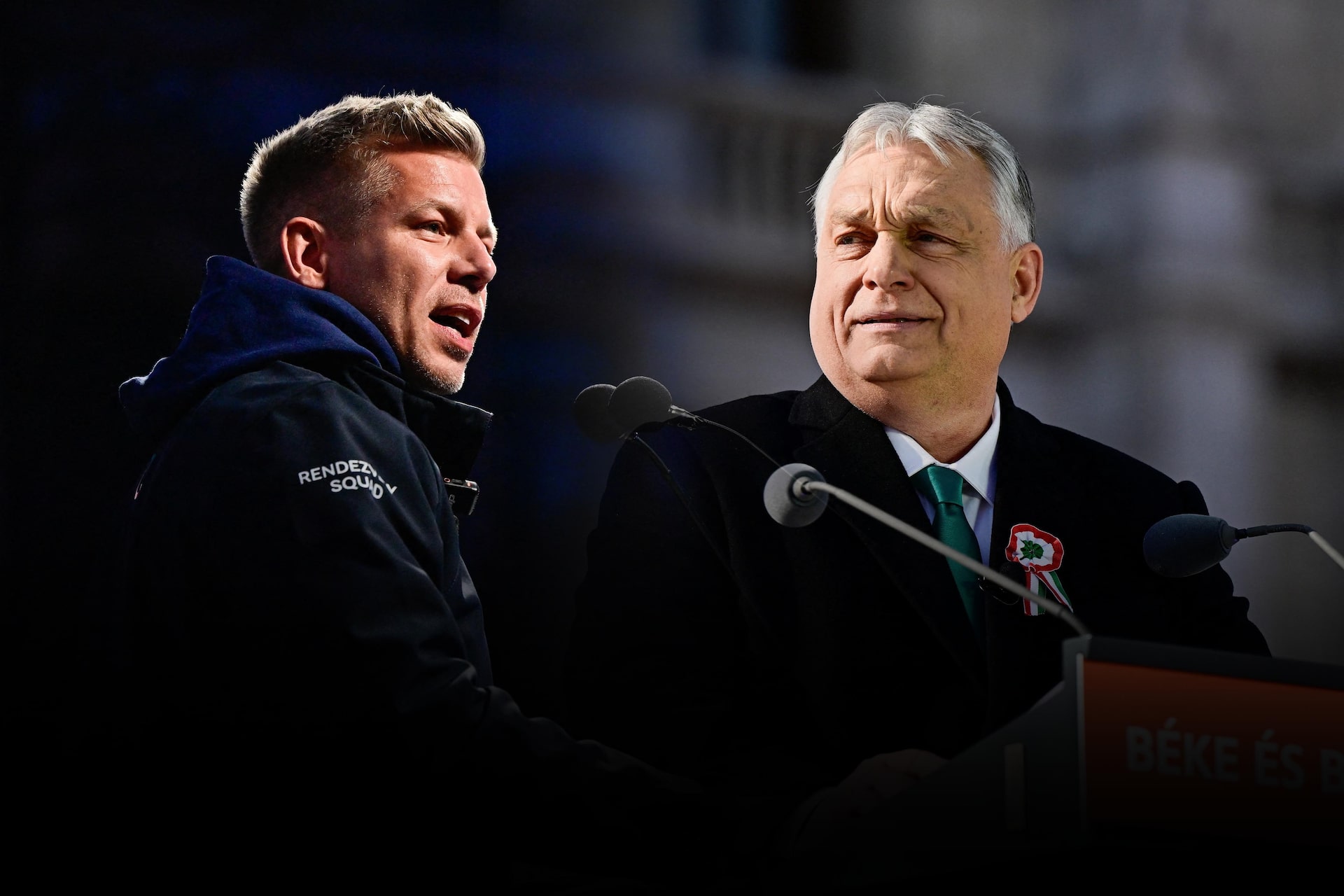
Peter Magyar, the electoral opponent who defeated Viktor Orban in the Hungarian parliamentary elections, comes from the same political environment as the current prime minister. Magyar presented himself as the man of change, but he does not fit into the traditional profile of the opposition, nor from an ideological point of view
Born in Budapest in 1981, a lawyer by profession, Magyar built his career in state structures and public enterprises, notes TVR. He was part of that mechanism which he now questions and was married to a minister from Viktor Orban’s cabinet.
This is about the former head of Justice from Hungary, Judit Varga. She was recorded talking about the interference of power over the system. The marriage lasted eight years, and the couple had three children.
The divorce, officially in 2023, was preceded by his political leap. A few months later, in 2024, the scandal caused by the pardon granted to an official responsible for covering up sexual abuses against minors in a children’s home, shook the top of the state and precipitated the fall of key figures of power, including President Katalin Novák and Judit Varga herself, who had approved the measure. At that moment, Magyar entered the public scene, denouncing corruption, opacity, and institutional capture.
Magyar’s rise on social media has been dizzying, winning the sympathy of conservative voters who do not identify with traditional politics and have grown tired of seeing the same people in power.
The movement he leads, Tisza Párt, reflects the same logic. It does not correspond to the traditional model of a party with a visible structure, defined hierarchies, or a detailed program.
Magyar is perceived in Brussels as a pro-European alternative, while in Hungary he must avoid appearing as a project dependent on the outside. The politician does not propose a definitive break from Viktor Orban’s political legacy and takes a cautious stance on certain issues.
Also, his figure is not without shadows. His former wife publicly accused him of abuses, the personal conflict becoming public and unresolved until the end. In parallel, his name appeared in investigations regarding the financing of the formation and is associated with certain international campaigns, but this aspect in Hungary governed by Viktor Orban can be considered more as a political statement, to fuel uncertainty regarding Peter Magyar’s profile.