
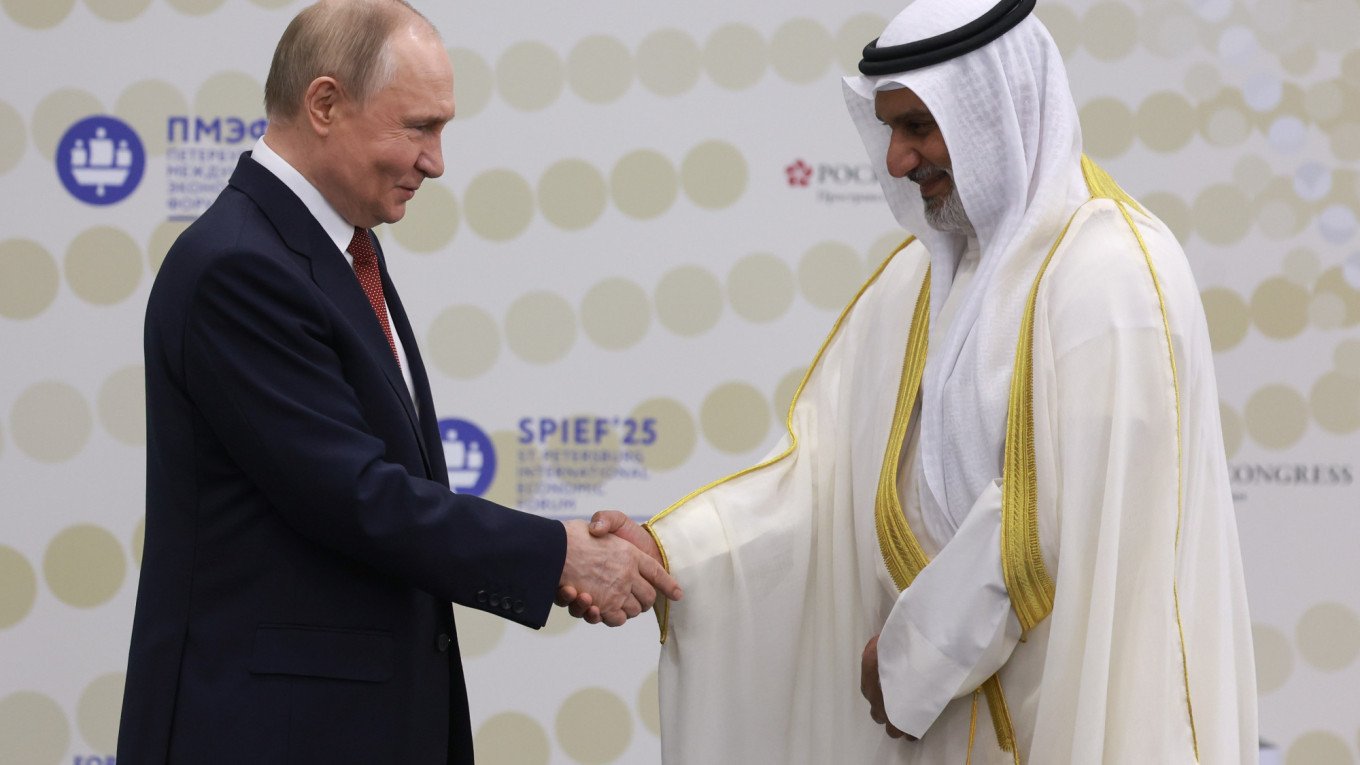
Eight members of the OPEC+ alliance — Russia, Saudi Arabia, Iraq, the United Arab Emirates, Kuwait, Kazakhstan, Algeria, and Oman — have agreed to increase the production ceiling by 206 thousand barrels per day, the organization announced.
The decision was justified by “stable global economic prospects and healthy market indicators”, reflected in the low levels of oil stocks. The new quotas will come into effect from April 2026.
The announcement comes in a context of major escalation in the Middle East. On February 28, the United States and Israel launched a series of airstrikes on Iran, resulting, according to emerging information, in over 200 casualties, including the leader of the Islamic Republic, Ali Khamenei, and several high-ranking military commanders.
Iran retaliated with missile attacks on Israel and some Persian Gulf states, where American military bases are located.
In parallel, the Islamic Revolutionary Guard Corps announced a ban on navigation through the Strait of Hormuz — one of the most important oil export routes in the world. Approximately 20% of the global volume of oil transits this narrow maritime corridor between Iran and Oman, along with significant quantities of liquefied natural gas.
The blocking of traffic through the Strait of Hormuz fuels fears of a sharp increase in energy prices on international markets.
Details, HERE