
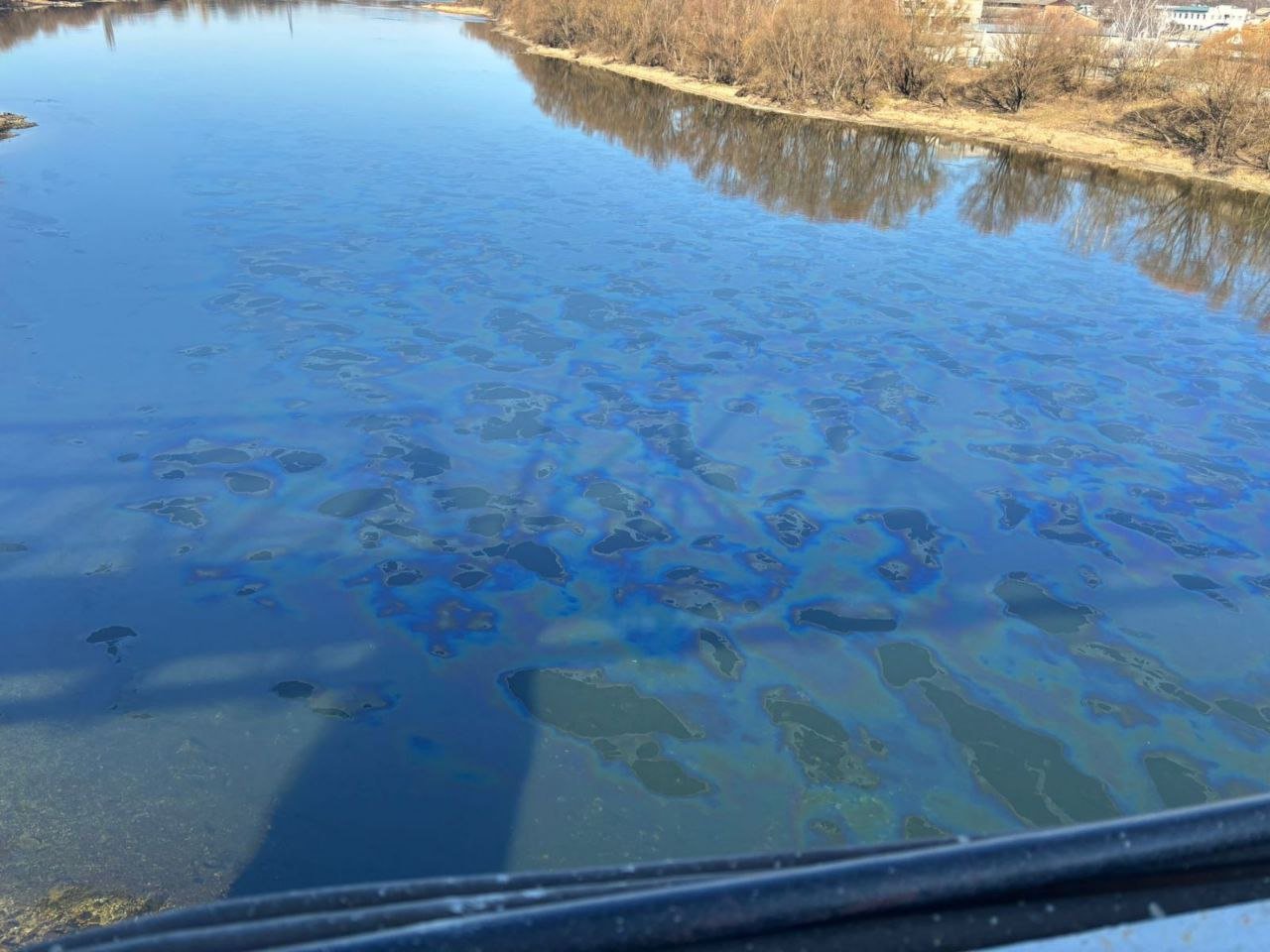
The pollution of the Nistru has led the separatist leaders to accept the support of Romanian specialists and to allow them access to the region. The administration of Vadim Krasnoselski announced the interventions of those responsible from over the Prut and those from the right of the Nistru in the area of the Dubăsari hydroelectric power station.
The oil spill on the Nistru reached the Dubăsari hydroelectric power station on March 14. The situation on the river, on the left bank of the Nistru, has been monitored by rescuers since March 112.
Those responsible on the left bank of the Nistru claim that the substance will not go beyond the dam at Dubăsari. According to them, the water in the area is pumped from a depth of 10 meters, but the spill is in the surface layers of the water.
At the same time, the self-proclaimed officials do not rule out that the pollutant will reach the shoreline. The leader from Tiraspol indicated that measures should be taken to clean the riverbed.
The Transnistrian region is predominantly pro-Russian, and officials on the left bank of the Nistru frequently send anti-Romania messages, invoking the fact that the central authorities would want unification and would force the Republic of Moldova into “Romanization”. The statements are similar to those launched from the Kremlin. Until recently, only the so-called Moldovan language in Cyrillic script was studied in the region’s schools.
The regime’s representatives, although they do business with the EU, promote anti-European narratives and have refused support of 60 million euros from Brussels during the energy crisis due to the conditions of adjusting gas tariffs to market prices.
The separatist authorities also refuse a civil mission of the EU in the region, insisting on the efficiency of peacekeeping troops. On several occasions, the region’s leadership has thanked the Russian soldiers illegally stationed in Transnistria, claiming that they would ensure peace in the area.