
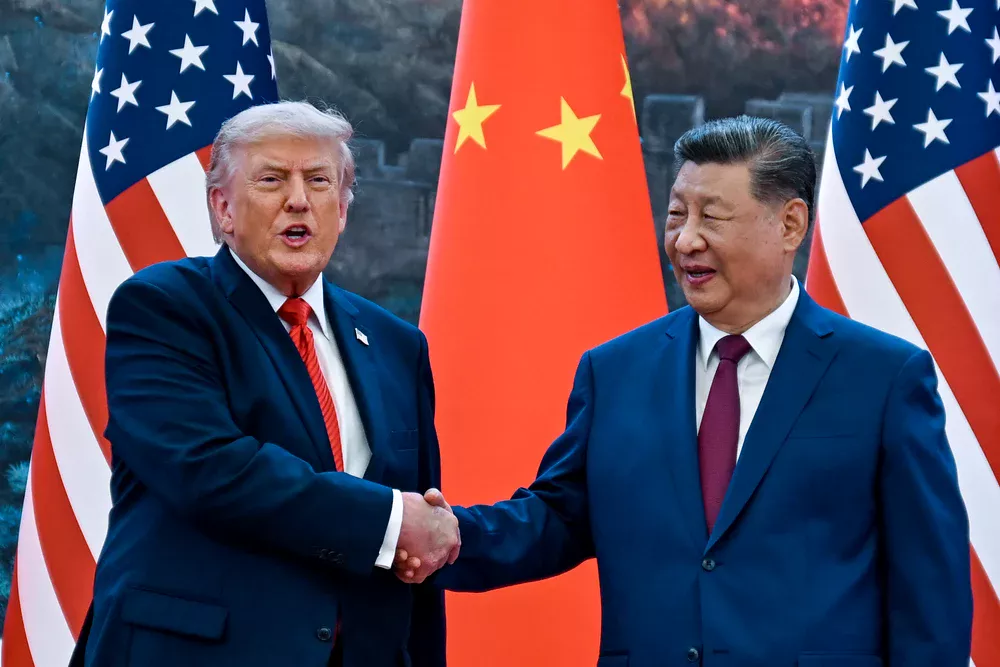
The pause in the trade conflict between Washington and Beijing does not mean tensions have disappeared. The United States is seeking to reduce its dependence on Chinese resources and technologies, while Beijing is using its dominant position in the critical minerals industry to strengthen its influence. The stakes go beyond trade, touching on both countries’ economic and military security, according to an analysis by The Guardian.
The truce eased trade tensions, but neither country took steps to prevent hostilities from flaring up again.
The trade wars unleashed by Donald Trump have largely faded from the headlines. Fears of new tariffs resurface from time to time when the US president makes unexpected pronouncements—for instance, when he threatens to halt US trade with countries with which it runs trade deficits unless the Federal Reserve cuts interest rates. But the prospect of an all-out economic confrontation between the world’s two largest economies has receded into the background, giving way to more pressing concerns, such as the risk that Trump might put an end to American democracy or that artificial intelligence could eventually threaten our very existence.
Yet the sense of calm is deceptive. Behind the scenes, the world is heading towards an economic war of potentially historic proportions—one that, as past experience suggests, could even spiral into military conflict, political analysts cited by The Guardian warn. The truce reached last year by Washington and Beijing amid an escalating trade dispute between the two countries, and extended until January next year, has eased tensions. It halted the tit-for-tat escalation of tariffs and paved the way for a possible trade agreement, the terms of which have yet to be settled.
Yet neither China nor the United States has taken steps to establish mutual safeguards to prevent renewed hostilities. On the contrary, both sides are seeking to strengthen their advantage ahead of another round of confrontation, which seems increasingly likely. Both Washington and Beijing have framed this rivalry as a national security priority, essential to maintaining economic, technological, and military supremacy.
Read more HERE