
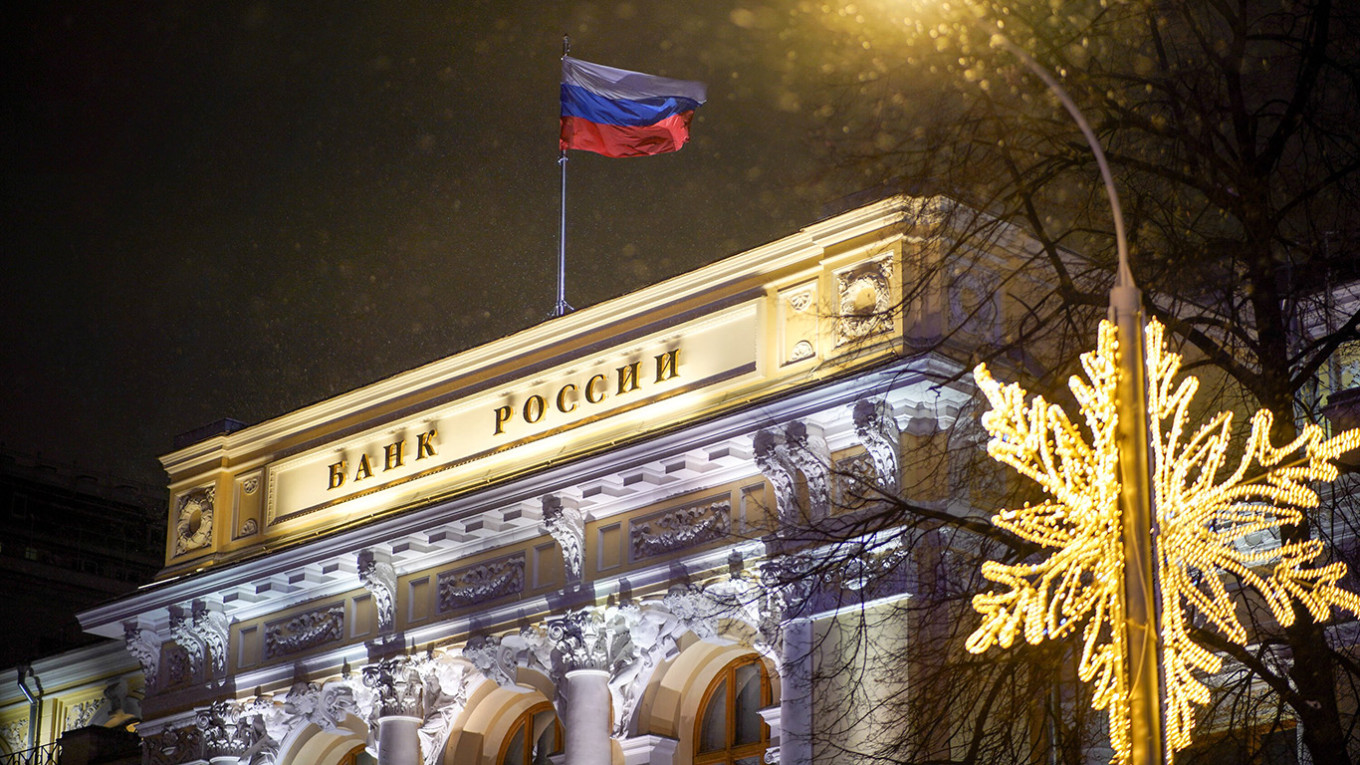
The financial architecture of the Russian Federation has entered a phase of systemic destabilization. The proportion of non-performing and toxic assets in the Russian banking system has officially exceeded the internationally recognized threshold for triggering a banking crisis of significant proportions.
The evaluation comes from the External Information Service of Ukraine and the data comes from an internal report prepared right in Moscow by the Center for Macroeconomic Analysis and Short-Term Forecasting (CMACP), a pro-Kremlin institution. The analysis group, which regularly advises the Russian government, confirmed that toxic assets have remained above the danger line for the third consecutive month.
The IMF crisis threshold and the masking of bankruptcies
According to the standards set by the International Monetary Fund (IMF), a country’s financial sector enters a state of systemic crisis when non-performing assets exceed 10% of the total banking portfolio.
The CMACP report emphasizes that this crisis currently has a “latent character”. As Russia’s financial landscape is authoritatively dominated by large state-controlled institutions, such as Sberbank and VTB, regulatory authorities have managed to temporarily hide the structural degradation from the public eye.
By aggressively masking defaults and artificially restructuring non-performing corporate loans, state entities have prevented panic among depositors and massive capital withdrawals. However, economists warn that this practice does nothing but transfer the financial burden directly onto the state budget, which is already under immense pressure.
Details, HERE