
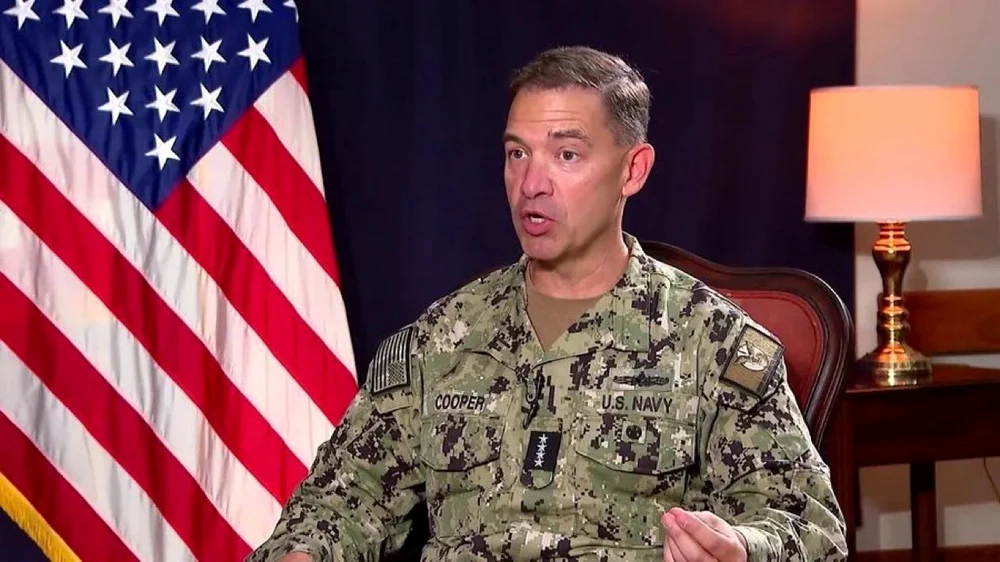
In the summer of 2024, threats to maritime transport in the Red Sea had reached an unprecedented level. Houthi rebels from Yemen were attacking international commercial ships, forcing many of them to avoid one of the world’s most important maritime routes and bypass Africa. By August, two ships had been sunk, and several crew members had lost their lives, despite the airstrikes launched by the United States and the United Kingdom.
Vice Admiral Brad Cooper, then number two in the US Central Command (CENTCOM), decided he needed to see the situation on the ground firsthand.
Cooper, tasked with developing a strategy against the Houthi rebels, knew the area well, having previously led the Fifth Fleet of the US Navy, based in Bahrain, according to former Pentagon official Dan Shapiro.
To fully understand the situation, Cooper embarked on the ships involved in missions, even if this meant being under the command of officers much younger than him.
“Instead of limiting himself to reports, he went out to sea with the crews. He personally exposed himself to risks,” Shapiro said. “This shows how important the connection between ground reality and military strategy is to him.”
From the Red Sea to the war with Iran
Two years later, Cooper leads CENTCOM — the command responsible for American military operations in the Middle East — and is at the center of the joint military effort of the United States and Israel against Iran.
The day before President Donald Trump ordered the launch of the military operation, on February 28, Cooper presented the available military options at the White House.
Details, HERE